Filthy Cute - Saatchi Gallery London
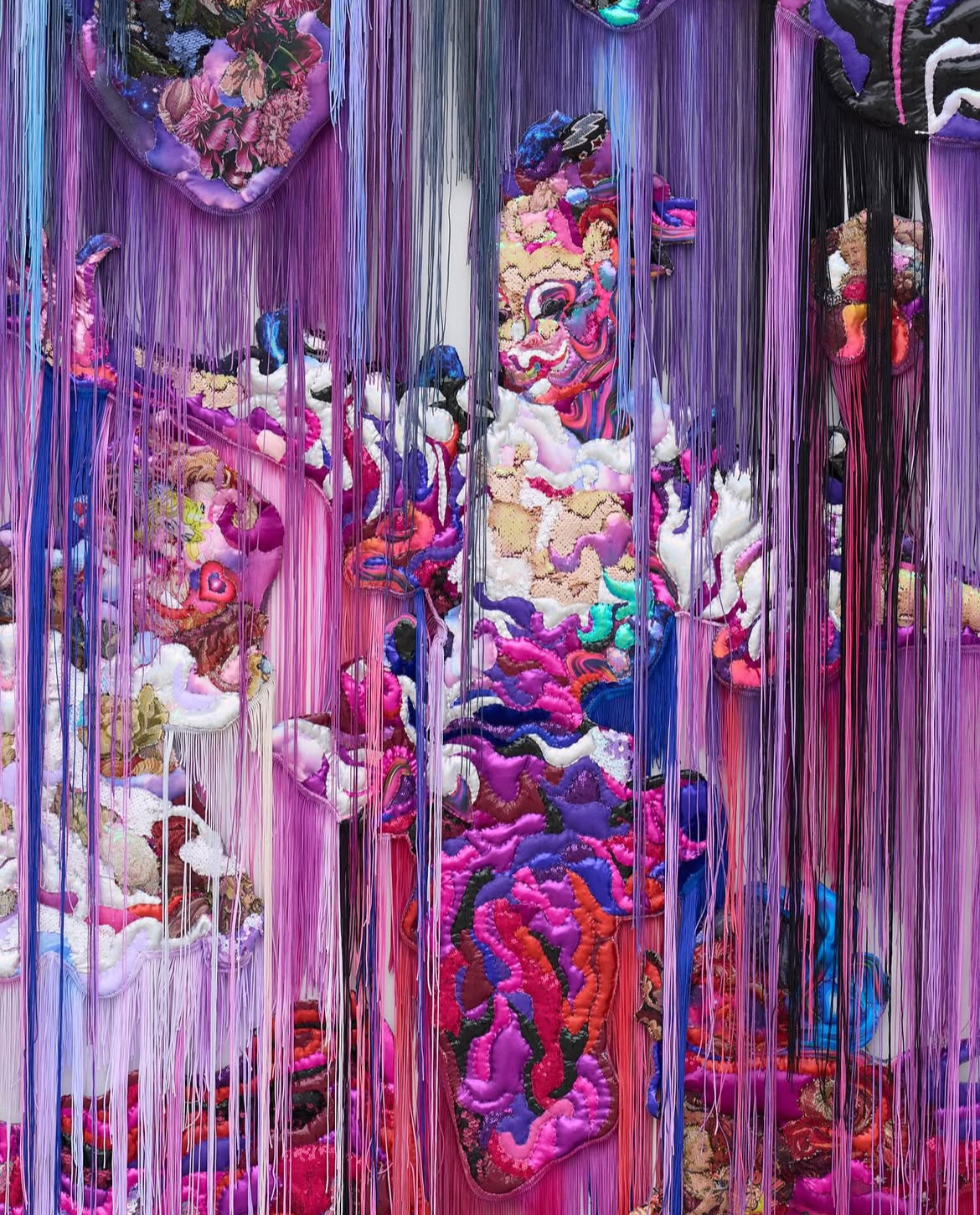
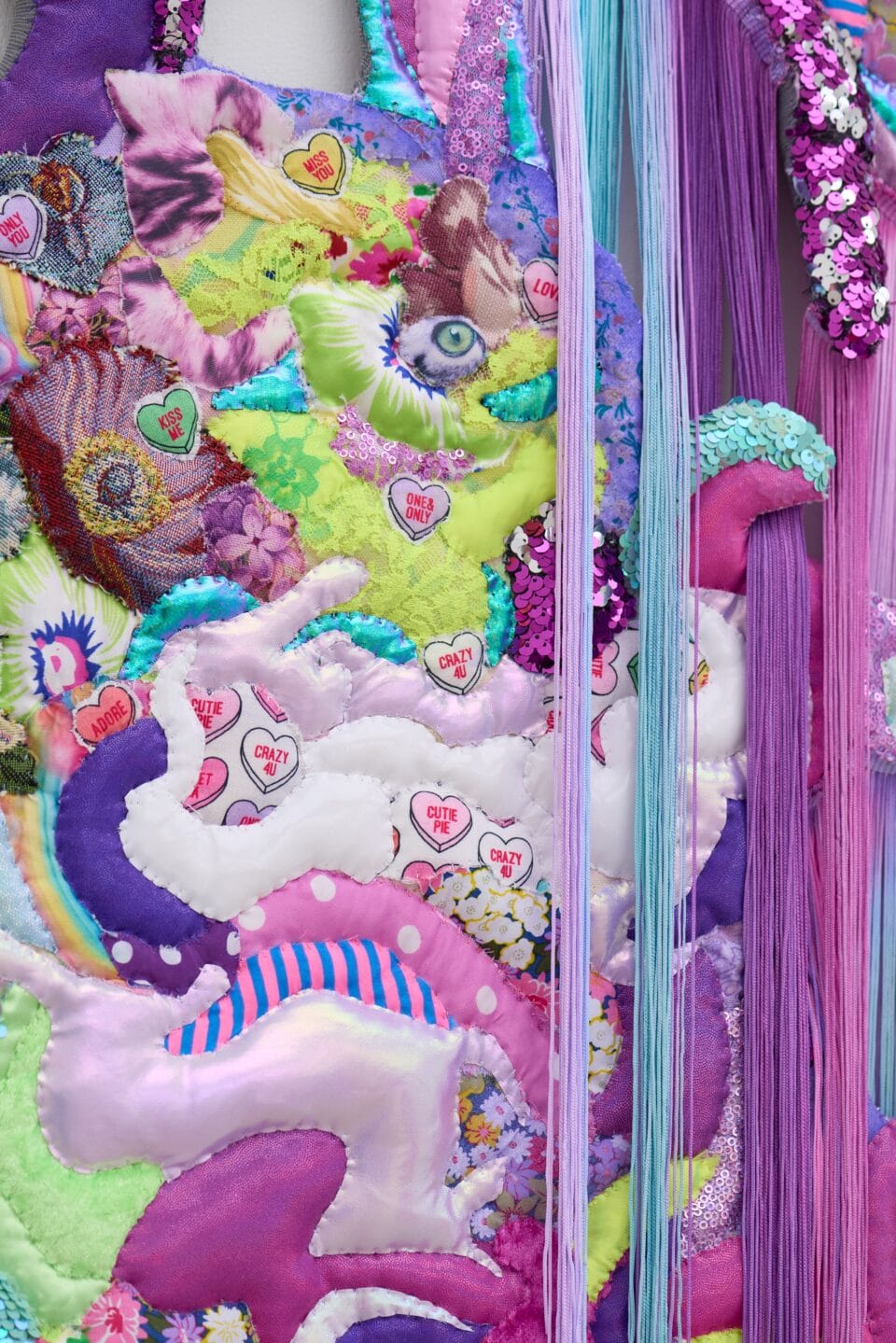
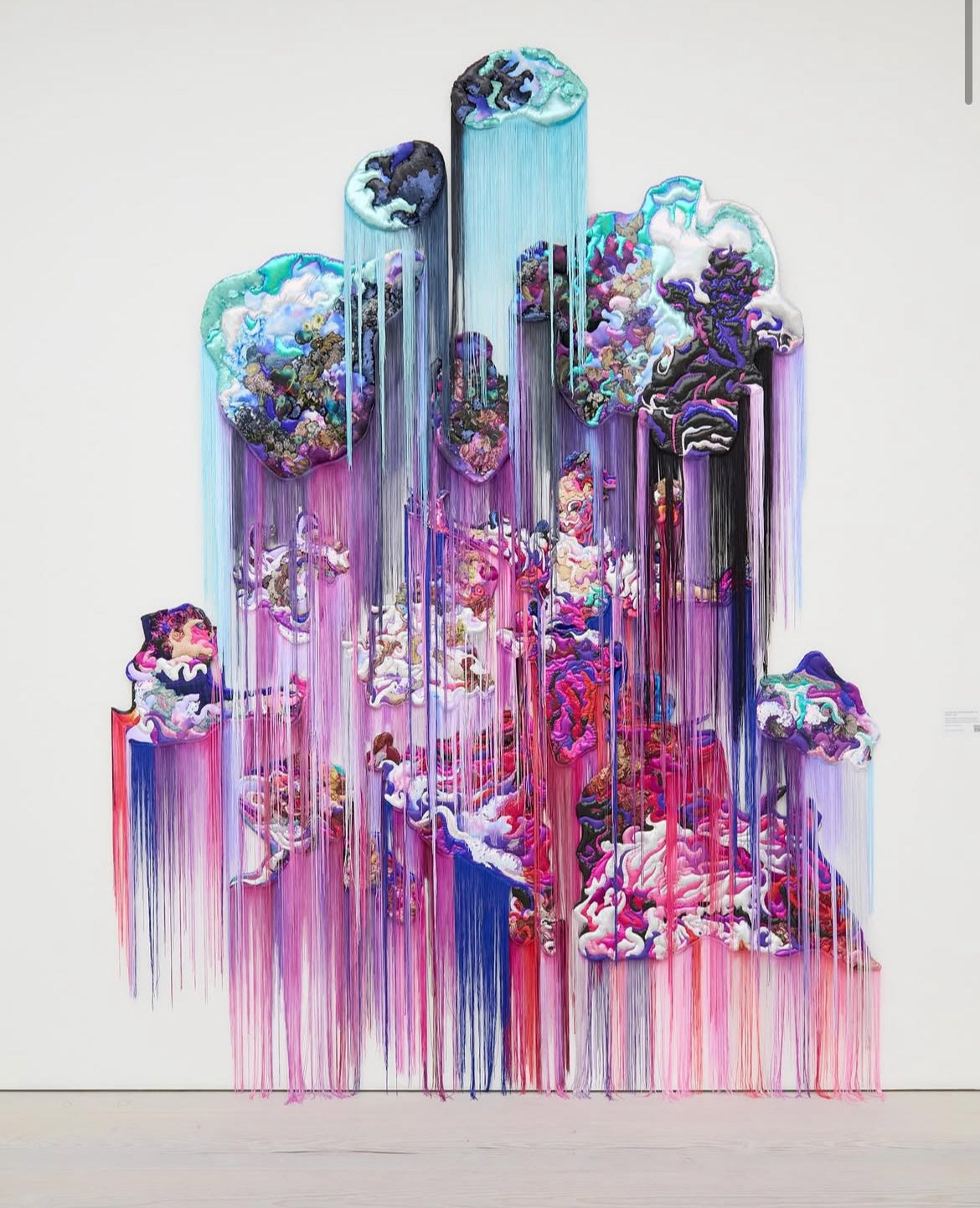
The works in the exhibition Filthy Cute by Anne von Freyburg feature sweet prints, swirling patterns and candy-like colors. Using these, von Freyburg's powerful yet playful exhibition questions consumerism and constructions of femininity.
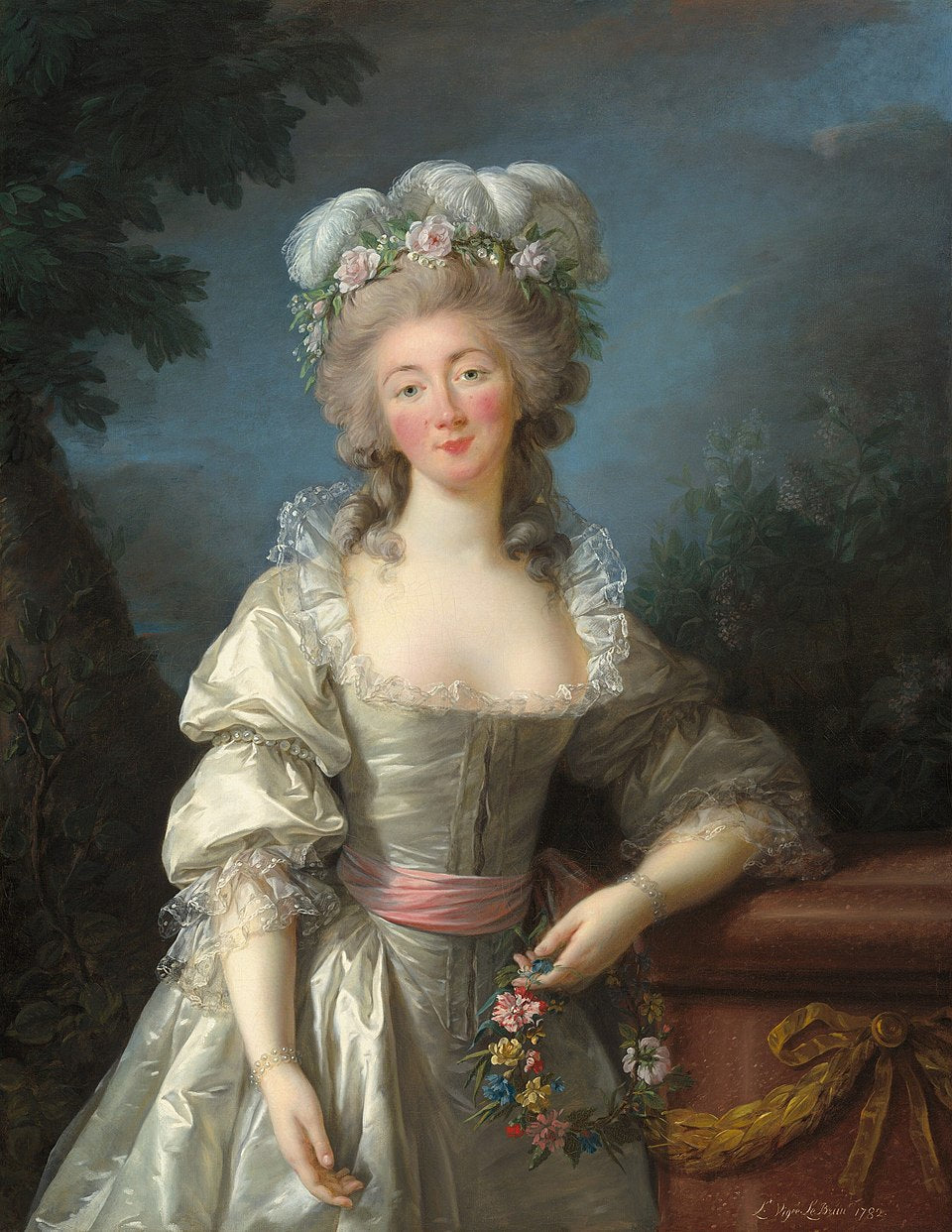
Progress of Love
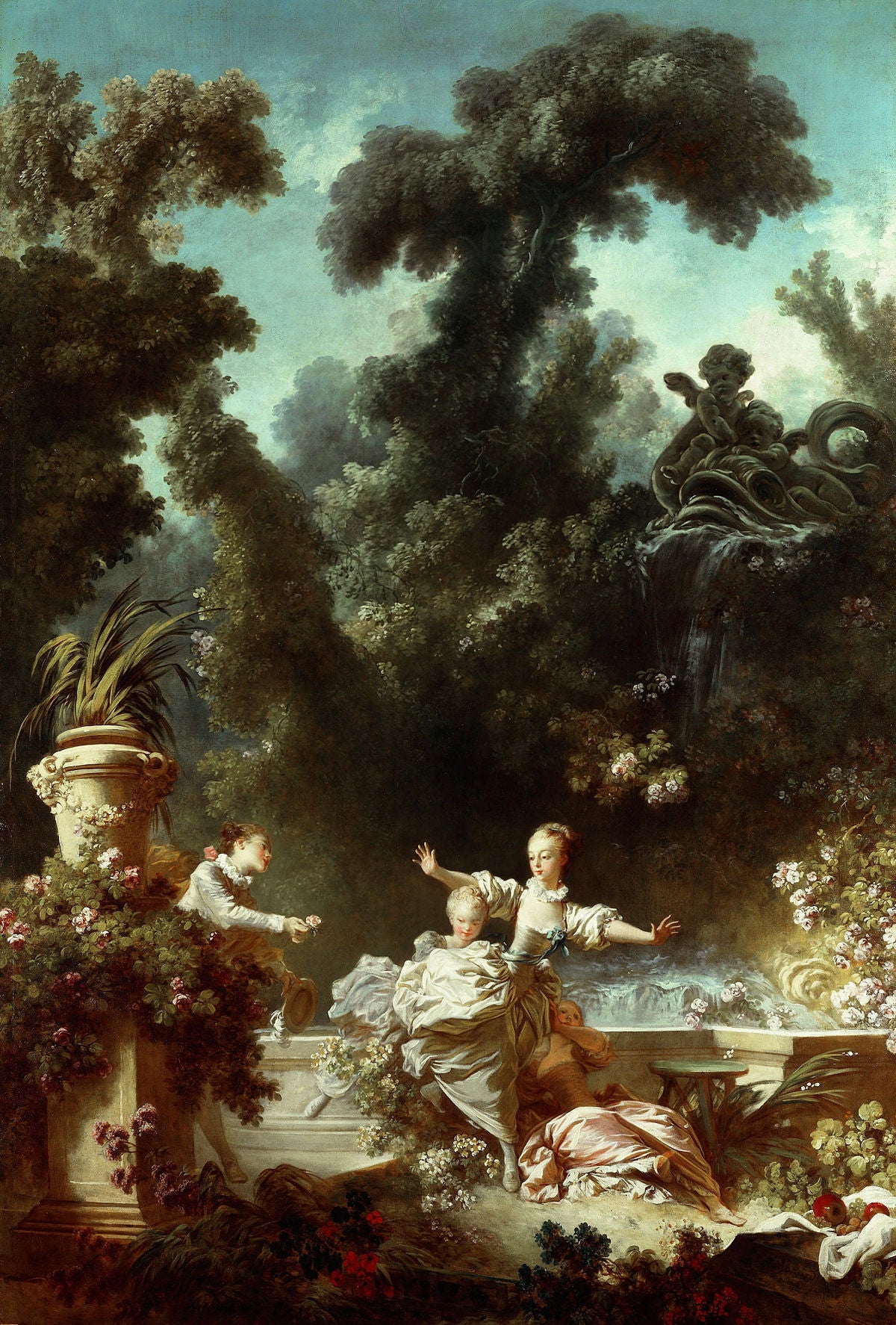
The first four of fourteen paintings in the Progress of Love series were commissioned in 1771 by Madame du Barry and installed in a pavilion outside Paris built for her by her lover Louis XV. However, the works were rejected by Du Barry and returned to the artist.

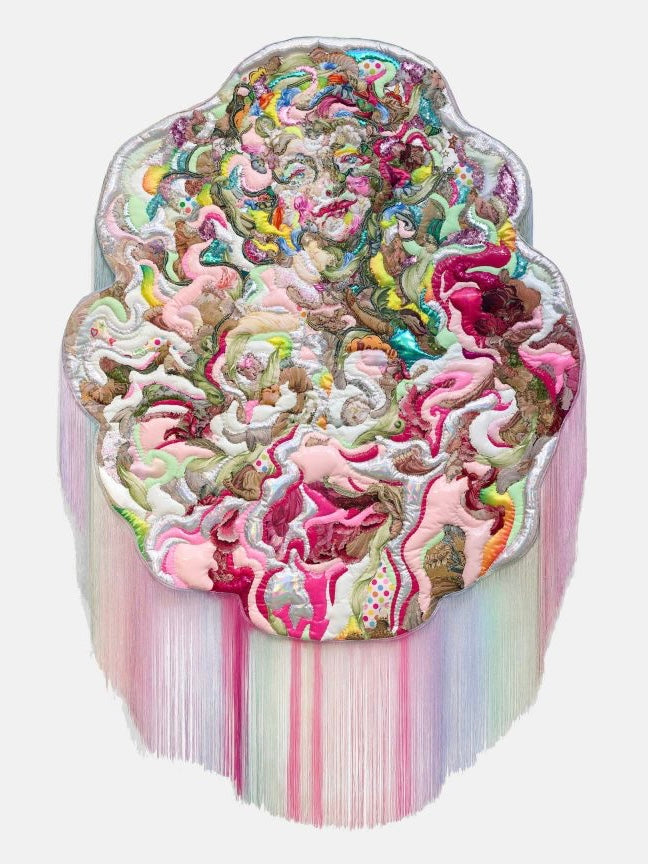
Artist's depiction
The imagery in Von Freyburg's depictions is not as straightforward as in the original, but the focus shifts. "Through my use of fabric and saturated colors, the image and the story become blurred and distorted. This disorientation invites the viewer to see the work in a new light," says von Freyburg.
“It’s about reminding people to look beyond the surface of these historical depictions and question what is actually being presented.”
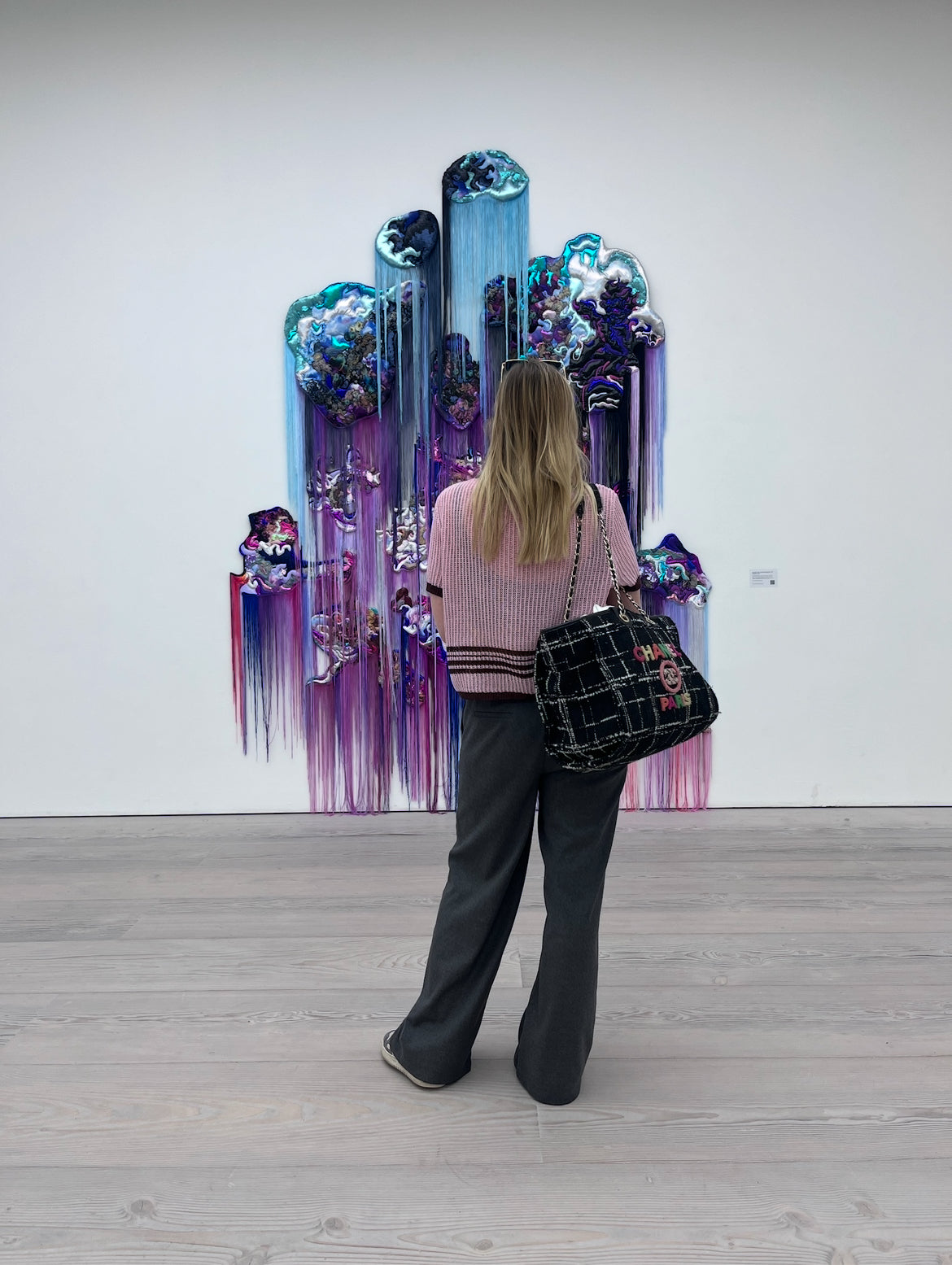
The artist highlights the clichés and themes that have been associated with heterosexual romance, as typically portrayed in popular culture. The complexity of each artwork's meaning is reflected in their detailed compositions. In each tableau of winding threads, there is historical resonance and contemporary critique of gender, identity, and commercialization.
Reflecting on von Freyburg's exhibition, the title feels fitting. Like the many meanings that run through each artwork, the words Filthy Cute may seem playful at first, but they have a deeper meaning.
The exhibition title is inspired by the lyrics of a Prince song and refers to the sexualization of a young, innocent female figure, who is transformed into a pure object. Freyburg explains: “The words sound funny and innocent, but are actually quite degrading. In the song, it is used to sexualize the subject and make her an object. She is childish but still dirty enough to be sexy.” The juxtaposition of “dirty” and “cute” sets the tone for an exhibition that uses both humor and criticism to destabilize traditional notions of femininity and “the male gaze.”
“Making large-scale works of fabric that are quite kitschy, gaudy, and overly feminine is really empowering and fun for me,” Freyburg says. She continues, “It allows me to tackle difficult subjects and frustrations in a lighthearted way.”