Things to consider when creating an art wall
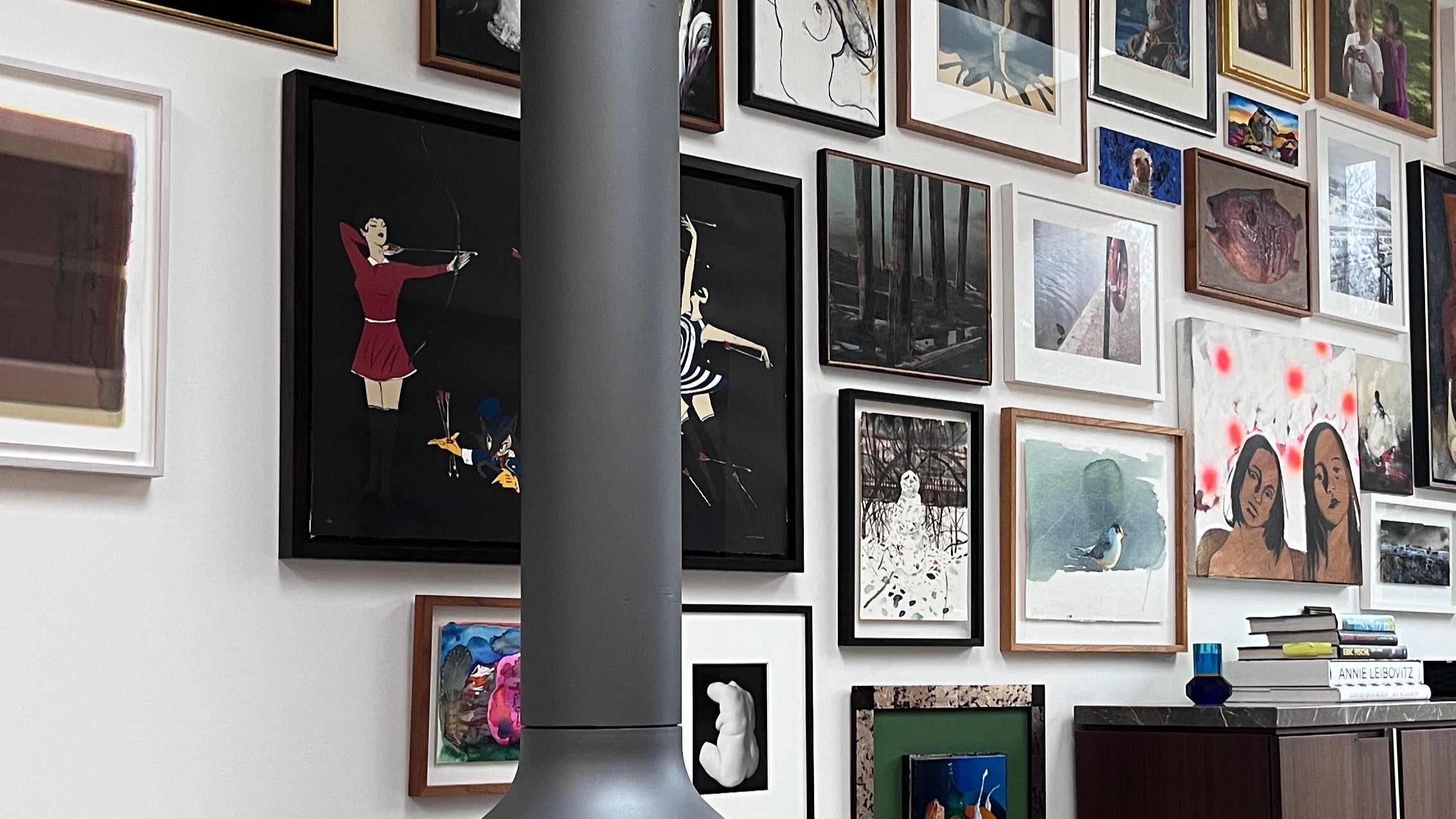
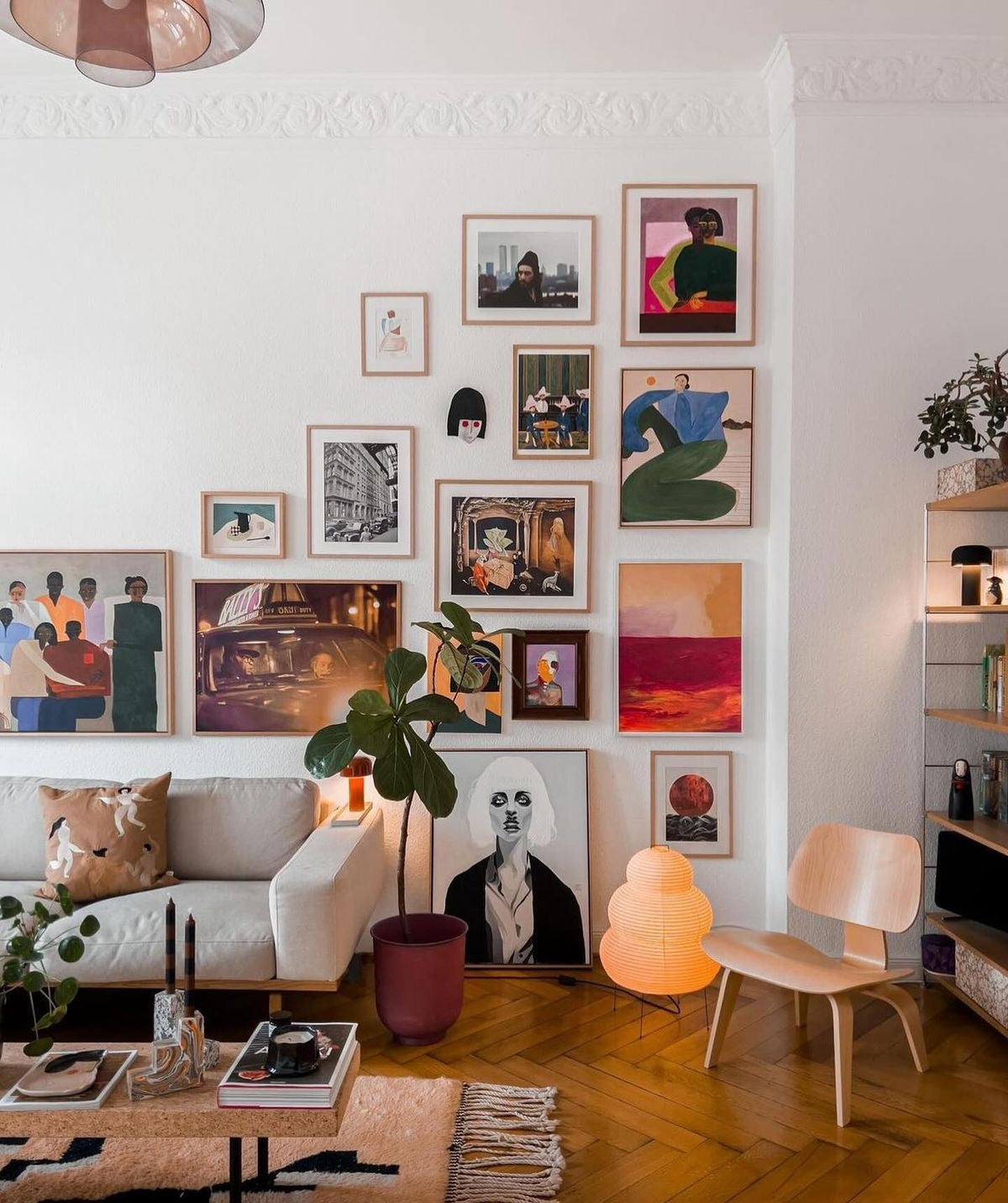
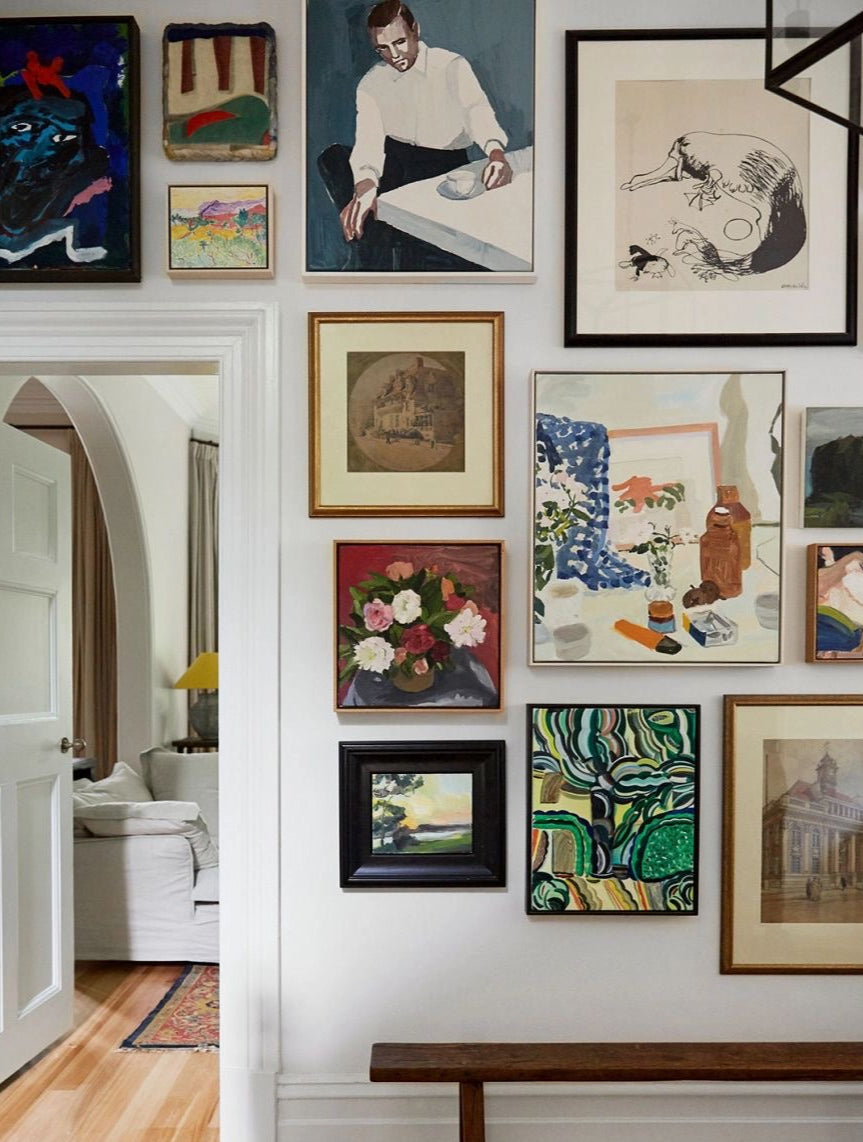
It is important to consider the space, the placement of furniture, where the light comes from and how you move around the room. Which works should be included in the first impression? Which composition on the art wall suits both the room and the content best? Do you want a symmetrical or asymmetrical art wall?
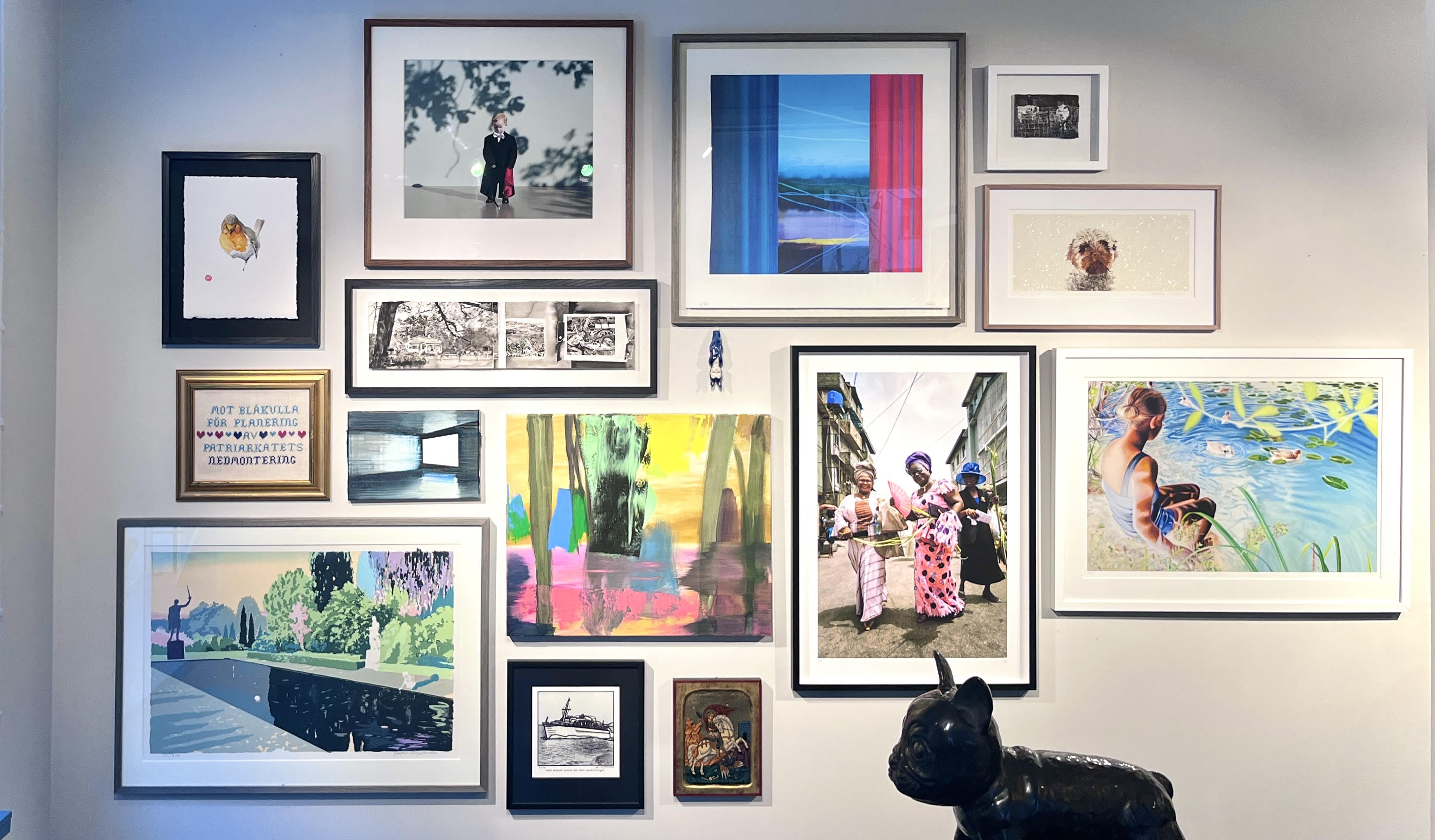
There are many rules and just as many exceptions, but the most important thing is that the art wall is unique and reflects the art collector. The wall can contain everything from original works, graphics, photos, sculptures to children's drawings and collectibles. If you want a minimalist expression, you should make sure that the framing and placement of the works are uniform and symmetrical. For an eclectic expression, feel free to mix different variations of framing, sizes and styles.
'You want to avoid setting out to look for something specific. Open your eyes and the objects will find you.'
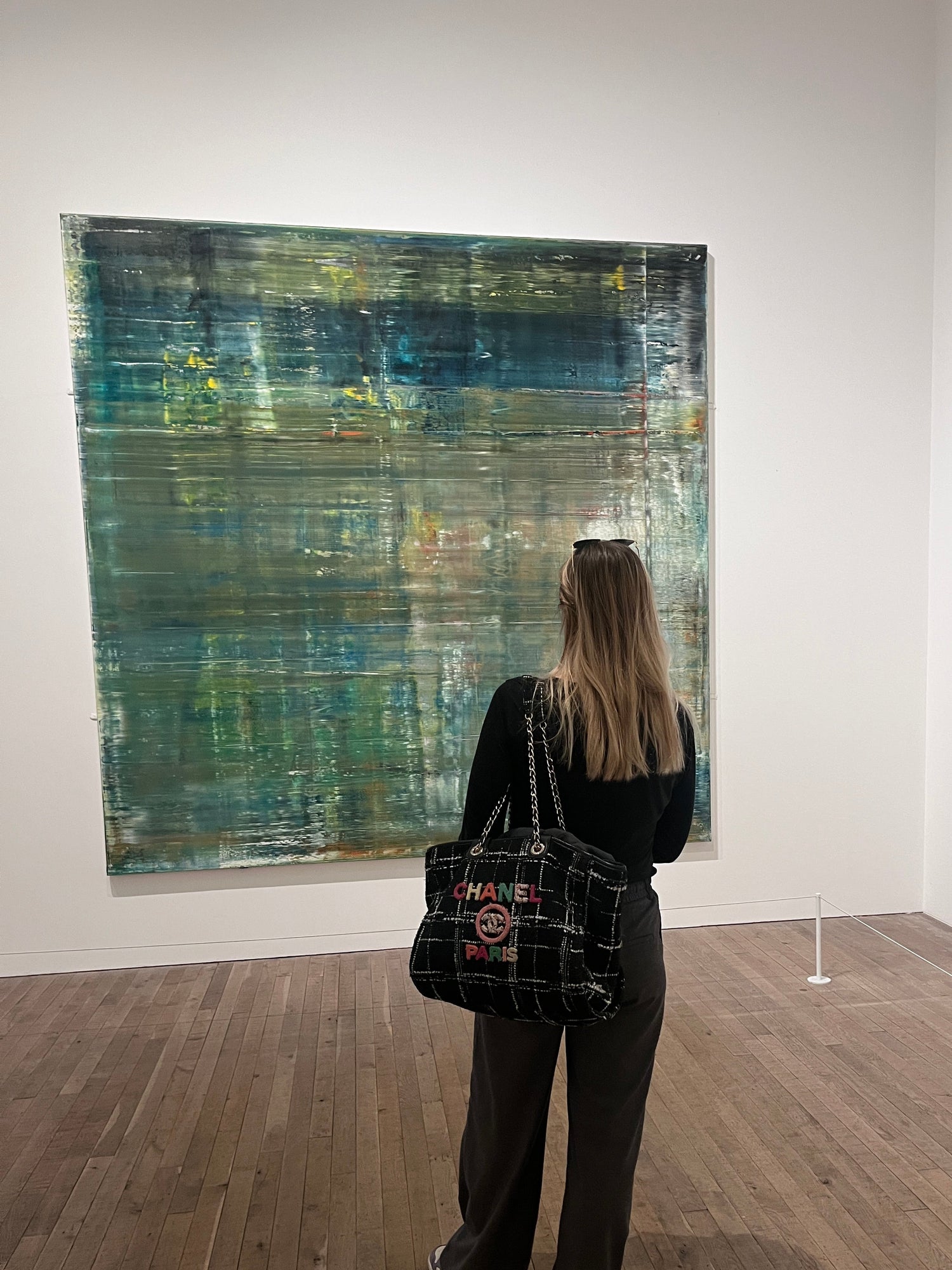
How do you start collecting art?
Man has always been a collector, a way of showing his status. Something that can be clearly seen in museums around the world. Even as a child, the interest in collecting began, whether it was idol cards or bookmarks. These objects have a special meaning for us and the art in one's private collection should have a similar effect. You want to avoid going out to look. Open your eyes and the objects will find you. When it comes to art, technique, composition and artist are important - both for collector value and expression.
As a new art collector, it can be a good idea to visit both permanent and temporary exhibitions, art auctions, and museums to learn about the major art movements of modern time
Framing
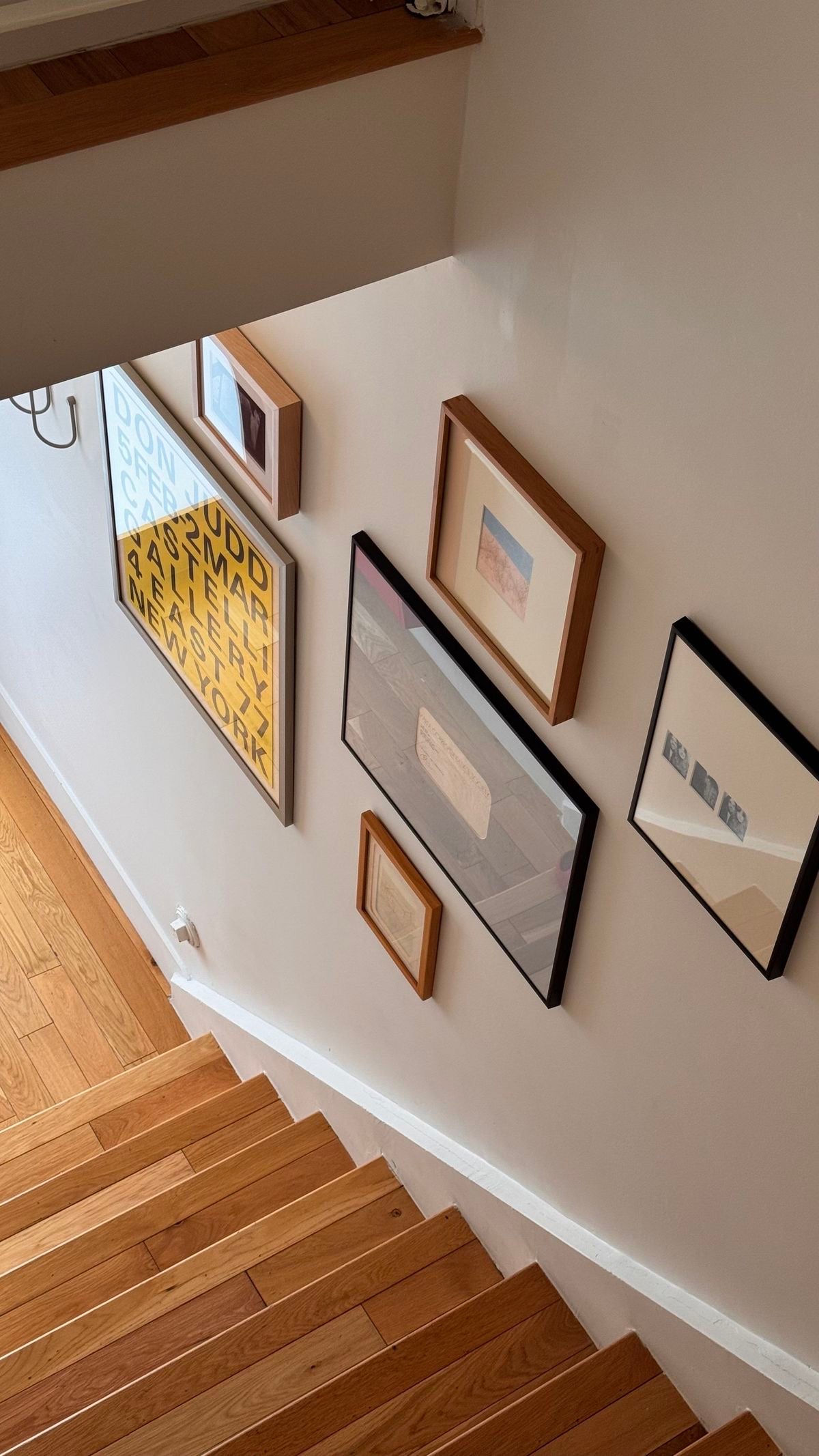
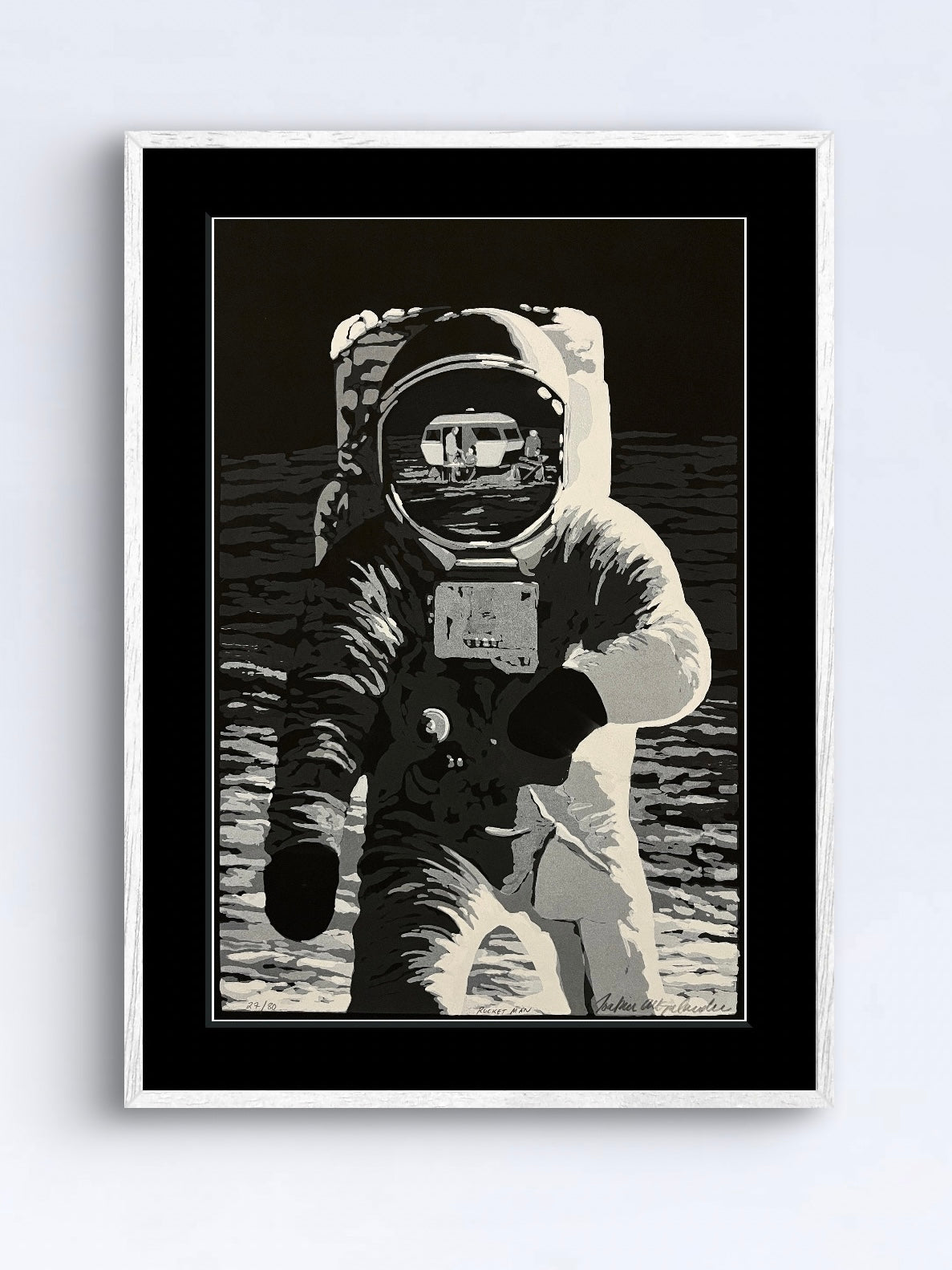
To create a quality art wall, you should make sure that the works are framed correctly in relation to the motif. Frame color, glass type and mounting should be adapted to the motif. Frame and glass can make or break, so don't be afraid to reframe works.
Works on canvas can be unframed, framed in a picture frame (for a traditional effect), or L-Framed (for a sophisticated and contemporary look).
Read more about frames under the Framing tab in the main menu.
Format and structure
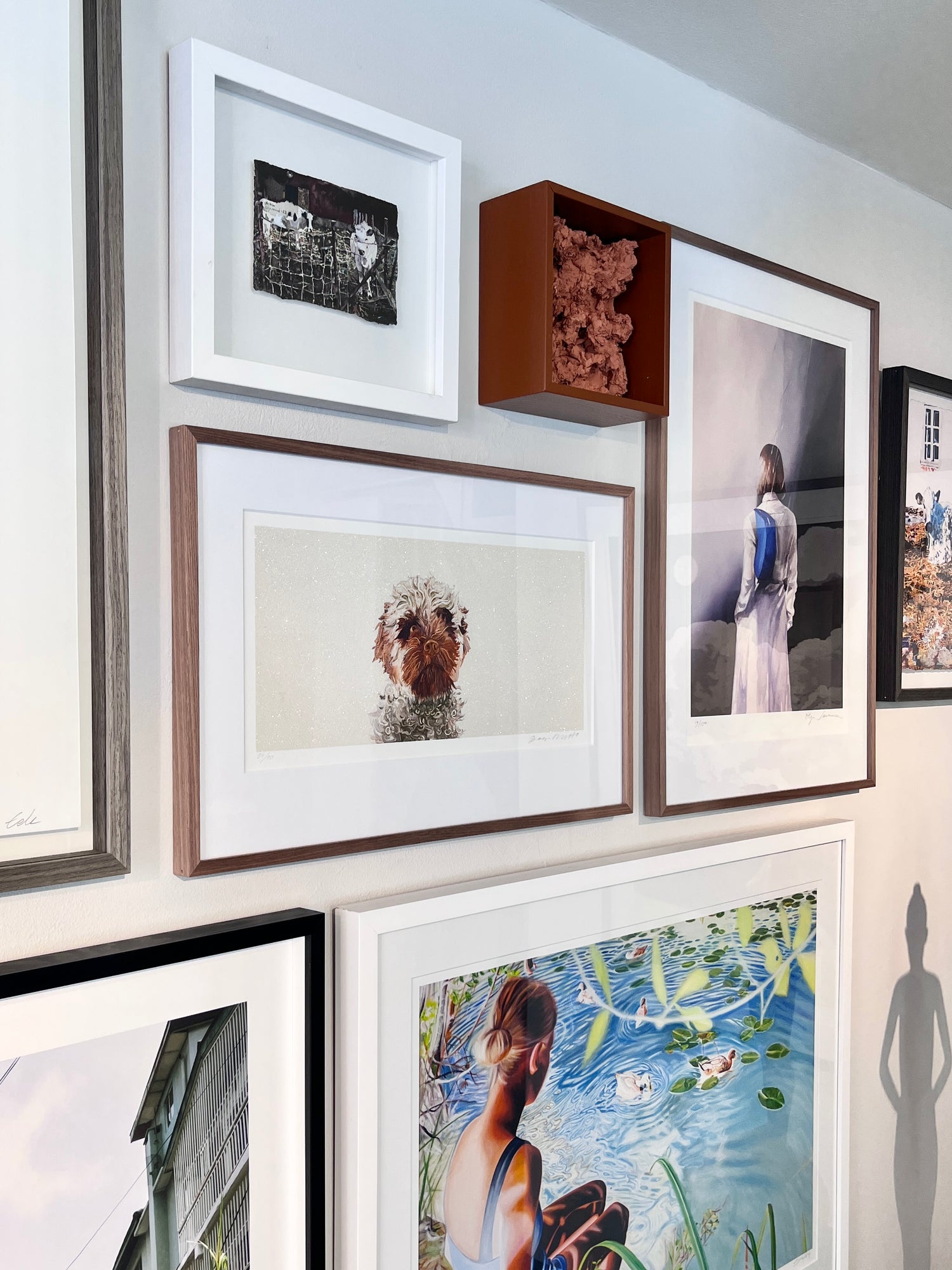
It is important to work with the wall you have and choose works that fit the space. It is best to determine a distance and stick to it, this creates order in the chaos. Larger works can be scattered and smaller works grouped. It is important to let sculptural objects take the space they need and "frame" them with the help of surrounding works. Avoid placing works lower than 35 cm from the floor/baseboard, and 10 cm from the ceiling/ceiling. Feel free to spread out works that are of the same medium. Avoid hanging dynamic and colorful motifs next to each other as there is a risk that they will drown each other out. The same applies to works where there is a lot of background in proportion to the motif. This helps to create an even dynamic of the art wall.