Yves Klein
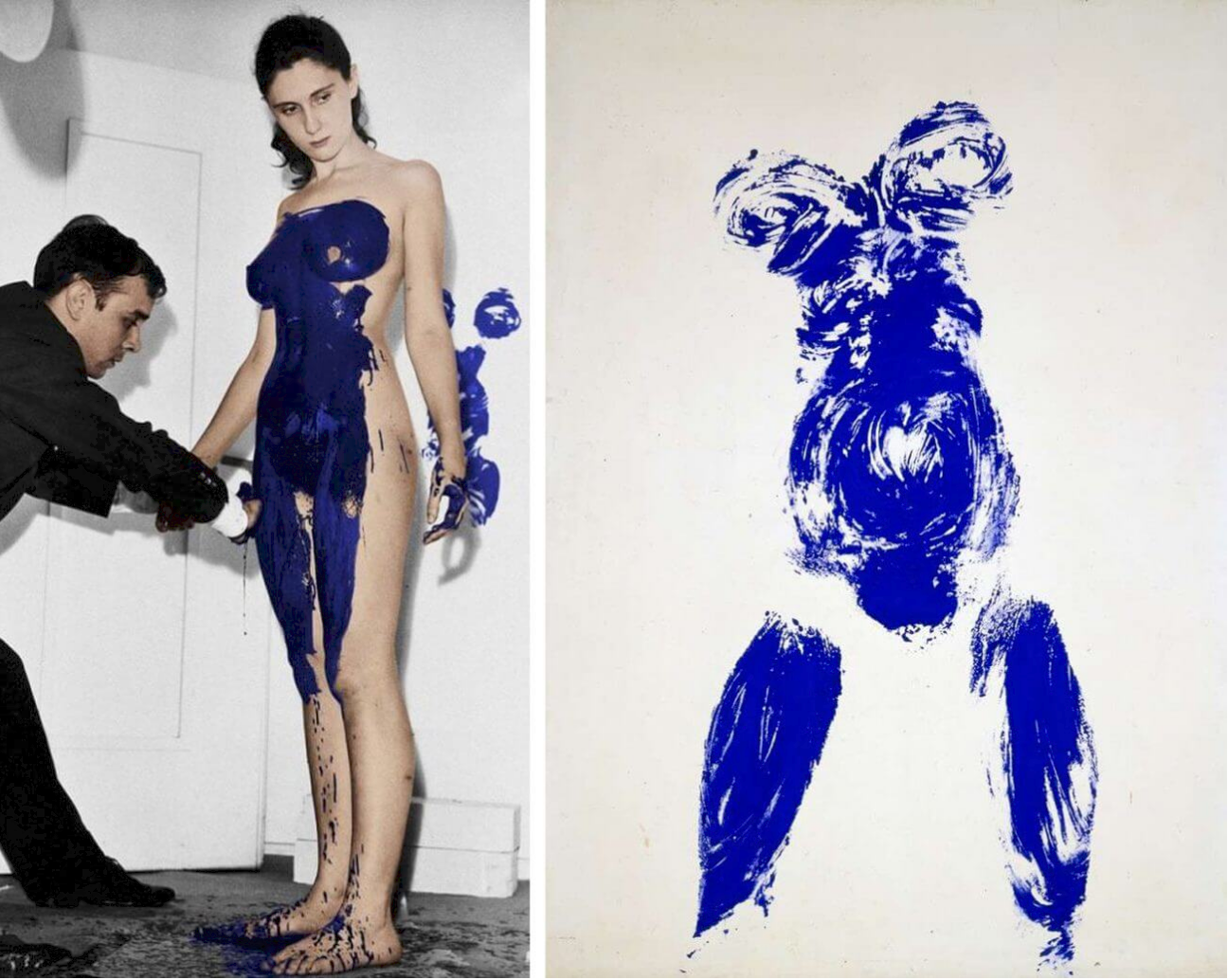
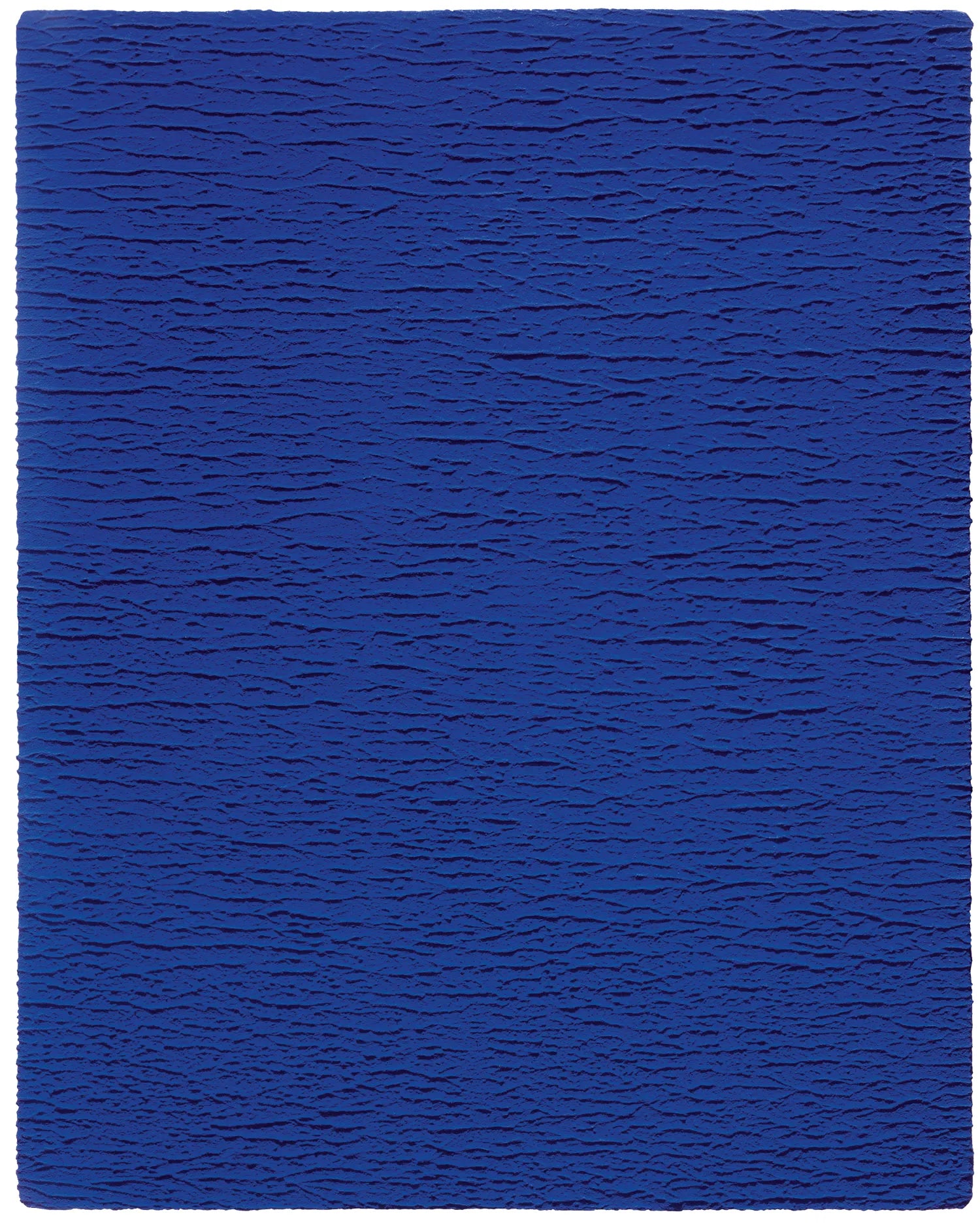
What is so special about International Klein Blue? The color was created in the 1950s by the French artist Yves Klein. The color was crucial to his expression; there in the monotonous works as well as his corporeal works where he used the female body as a brush. However, IKB was not created from a new pigment but by using synthetic ultramarine blue which was very popular in the 19th century.
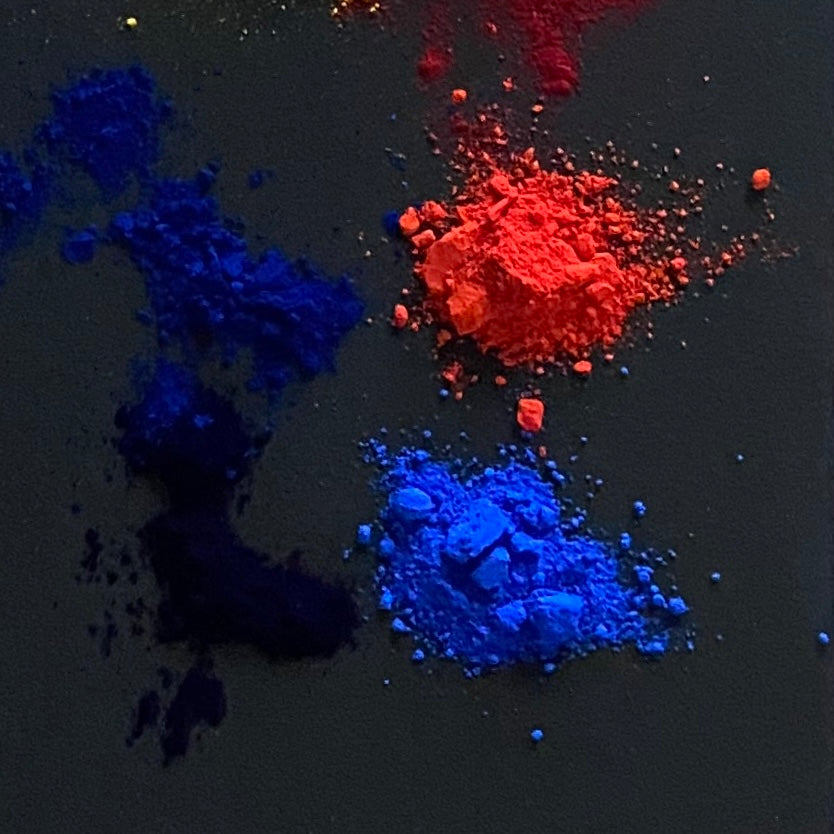
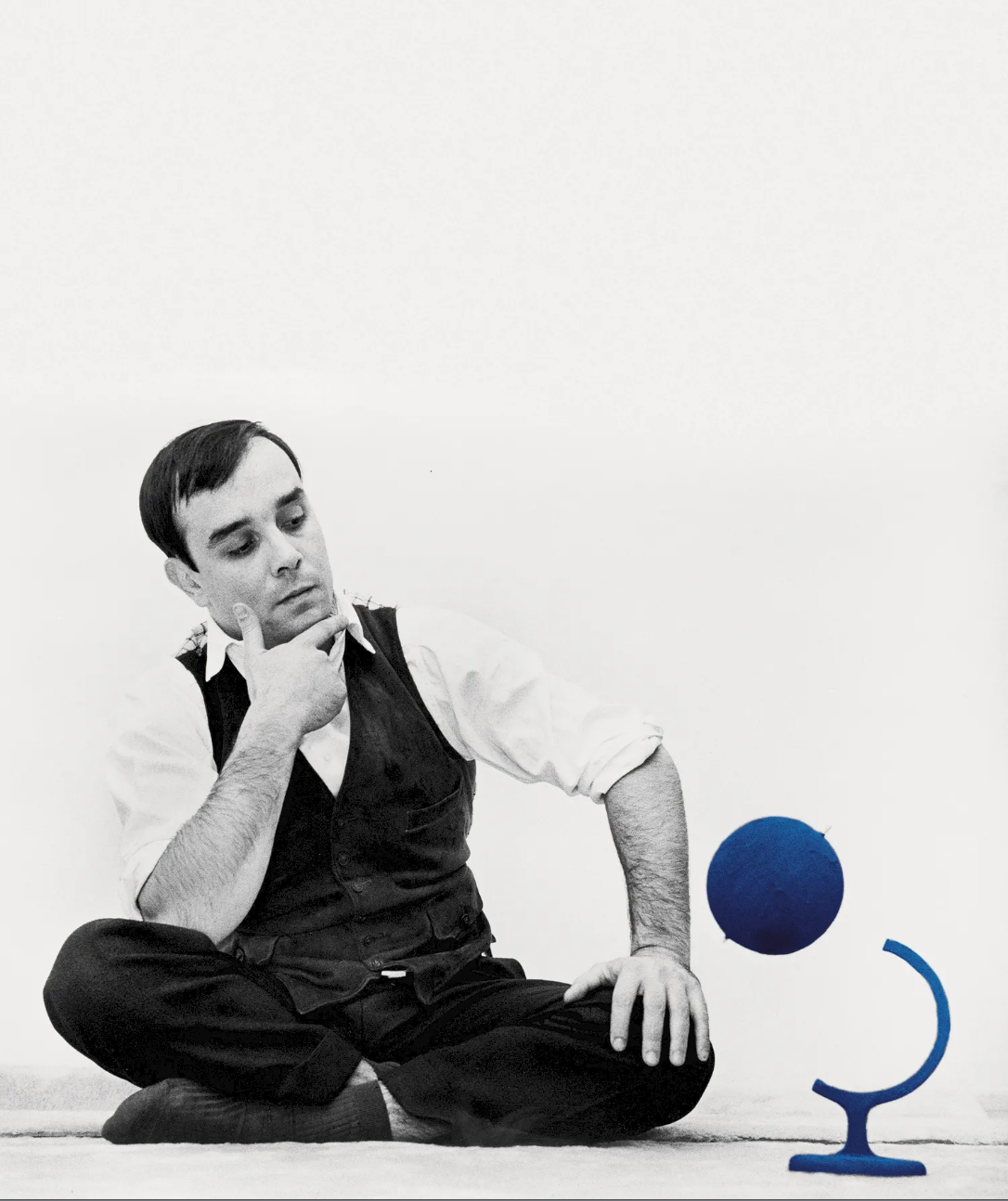
'Color is sensitivity in material form, substance in its purest form.' - Yves Klein
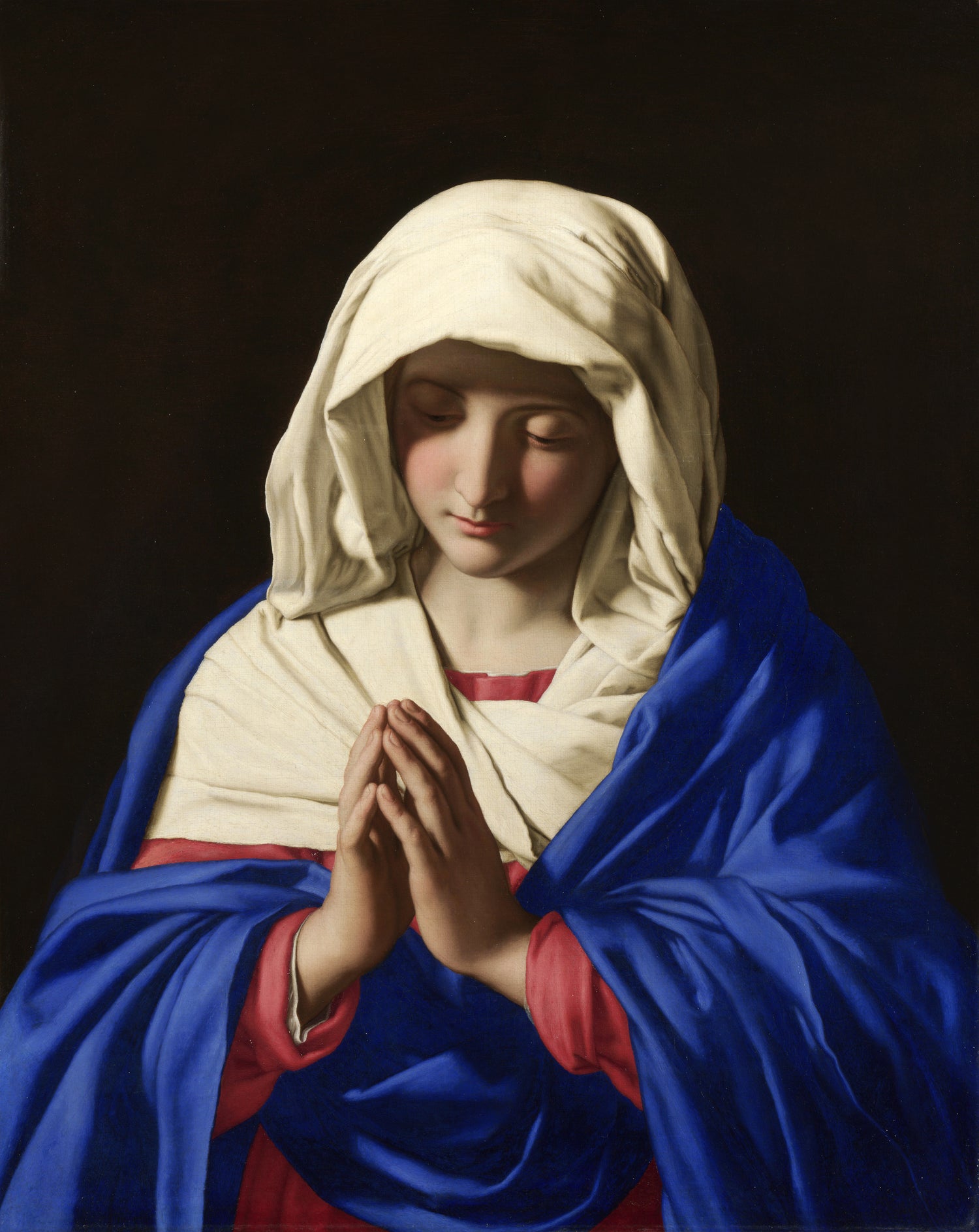
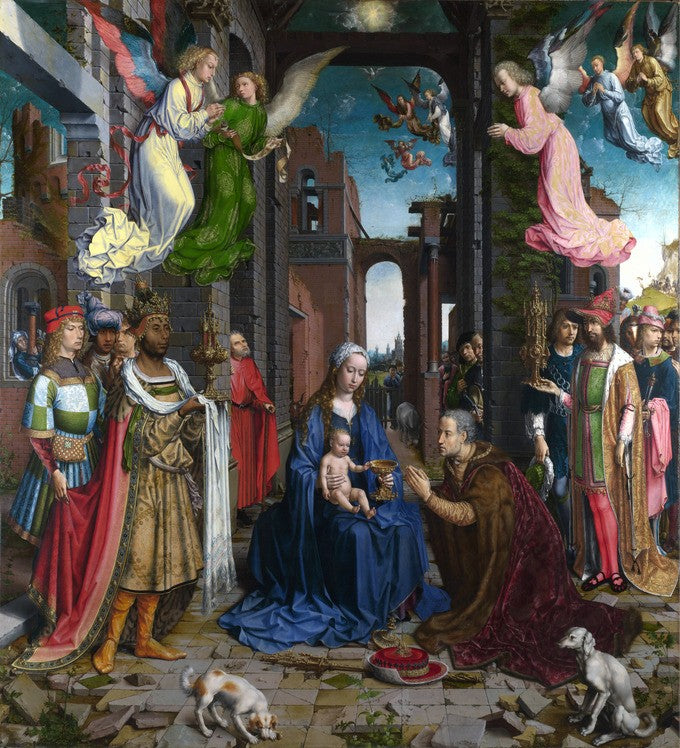
Klein had a spiritual connection to the color blue, partly due to his religious upbringing. Modern Ultramarine Blue (MUB) is a synthetic version of the historic and highly regarded blue pigment made from the mineral lapis lazuli that was often used by medieval and Renaissance artists, who used the color specifically when painting the Virgin Mary's robe to emphasize her divinity.
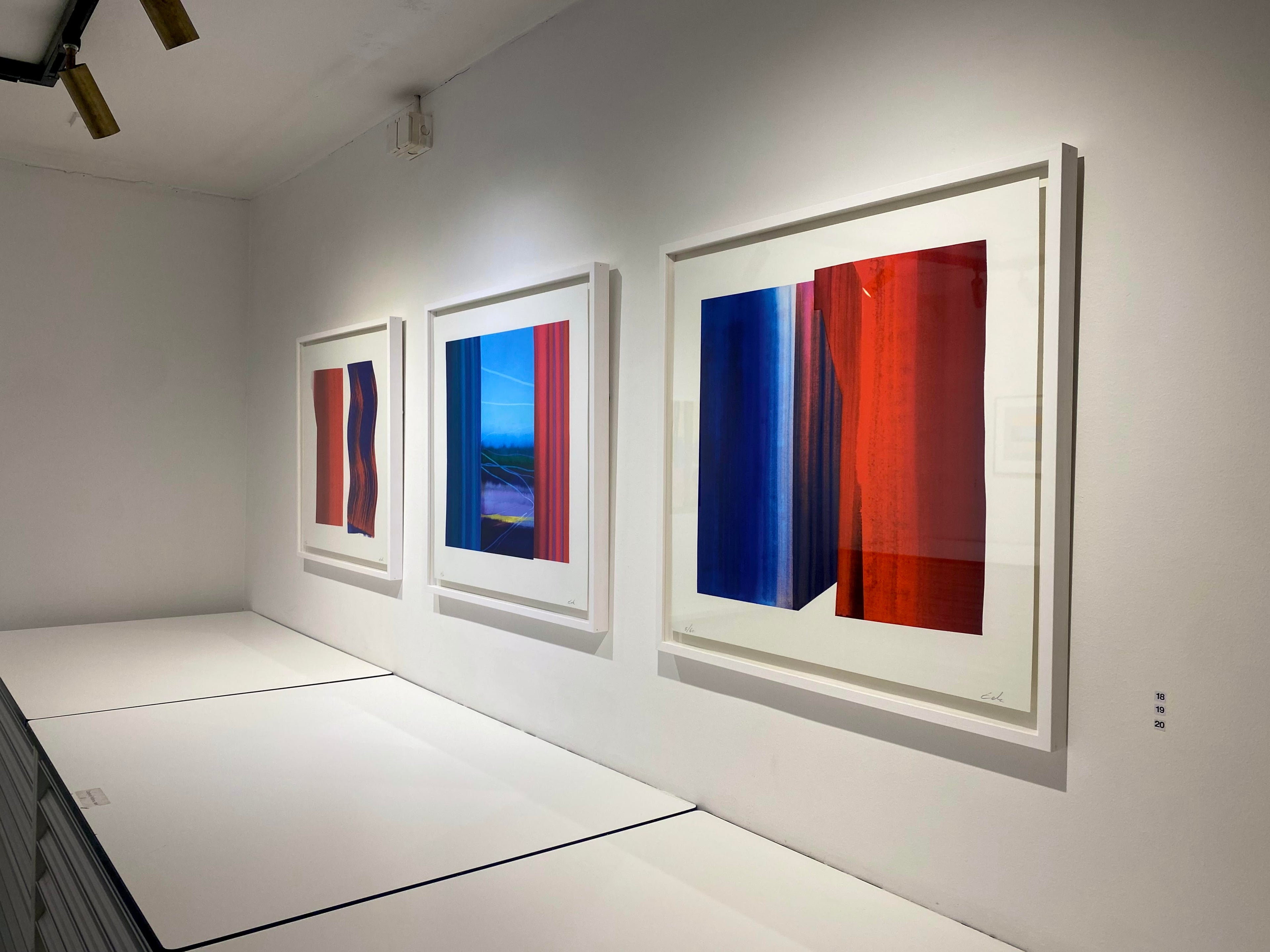
The symbolism of pigment in Eek's series
Marcus Eek uses light, color and composition to lead the viewer to an inner mood that can most closely resemble spirituality. We read in information that is stored subconsciously. Our associations can easily control our perception and our impressions. In his abstract works, Eek has used color combinations and compositions that inevitably lead the viewer's thoughts to something divine, an energy that cannot be put into words. Not least, the blue pigment is present in many of the works and, just like Yves Klein, blue ends up somewhere between the eye and the mind.
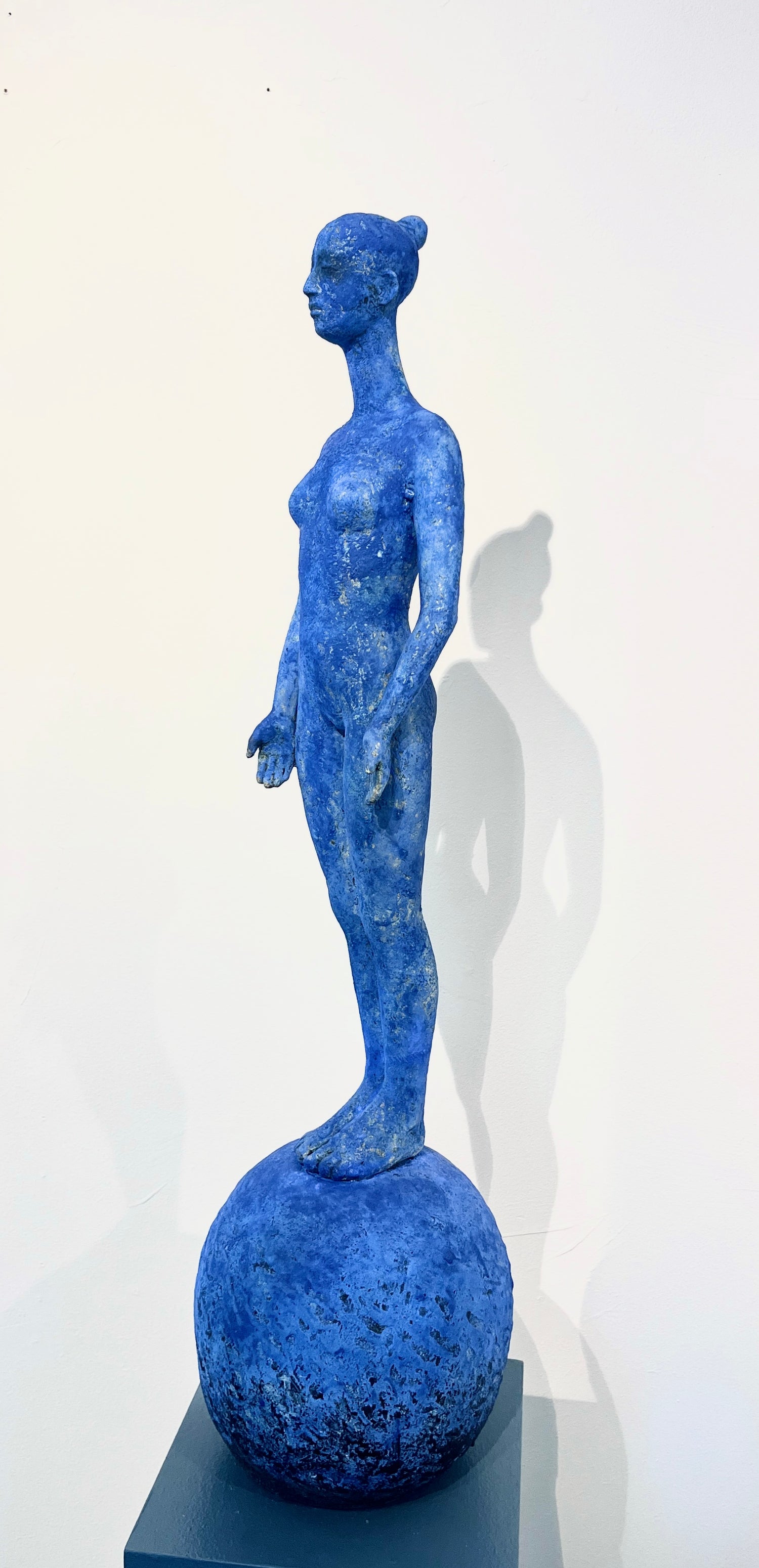
Blue Goddess
"The surface has always been interesting to humanity. It can be seductive, treacherous, cold, hot or have any character. Underneath it, processes are taking place that create tensions on the surface." - Kristin Andreassen
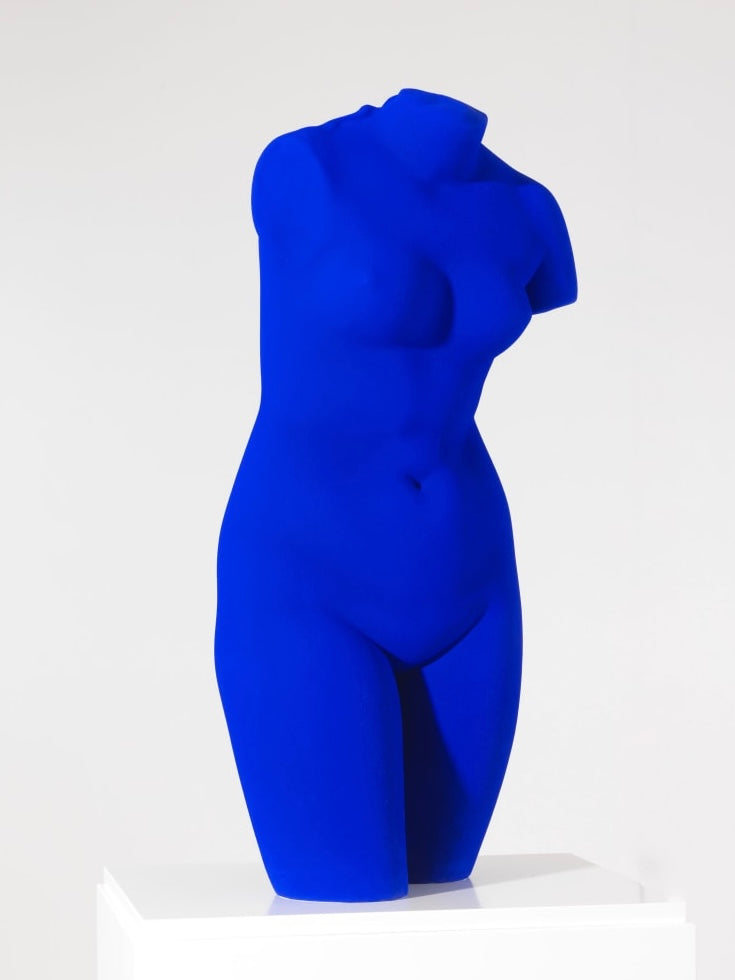
'Blue Goddess' is a perfect example of how the sculptor has used a pigment that unites the spiritual with the concrete. The matte surface and intense blue color create an idol that can symbolize the simple while also containing the boundless.