SYMBOLISM
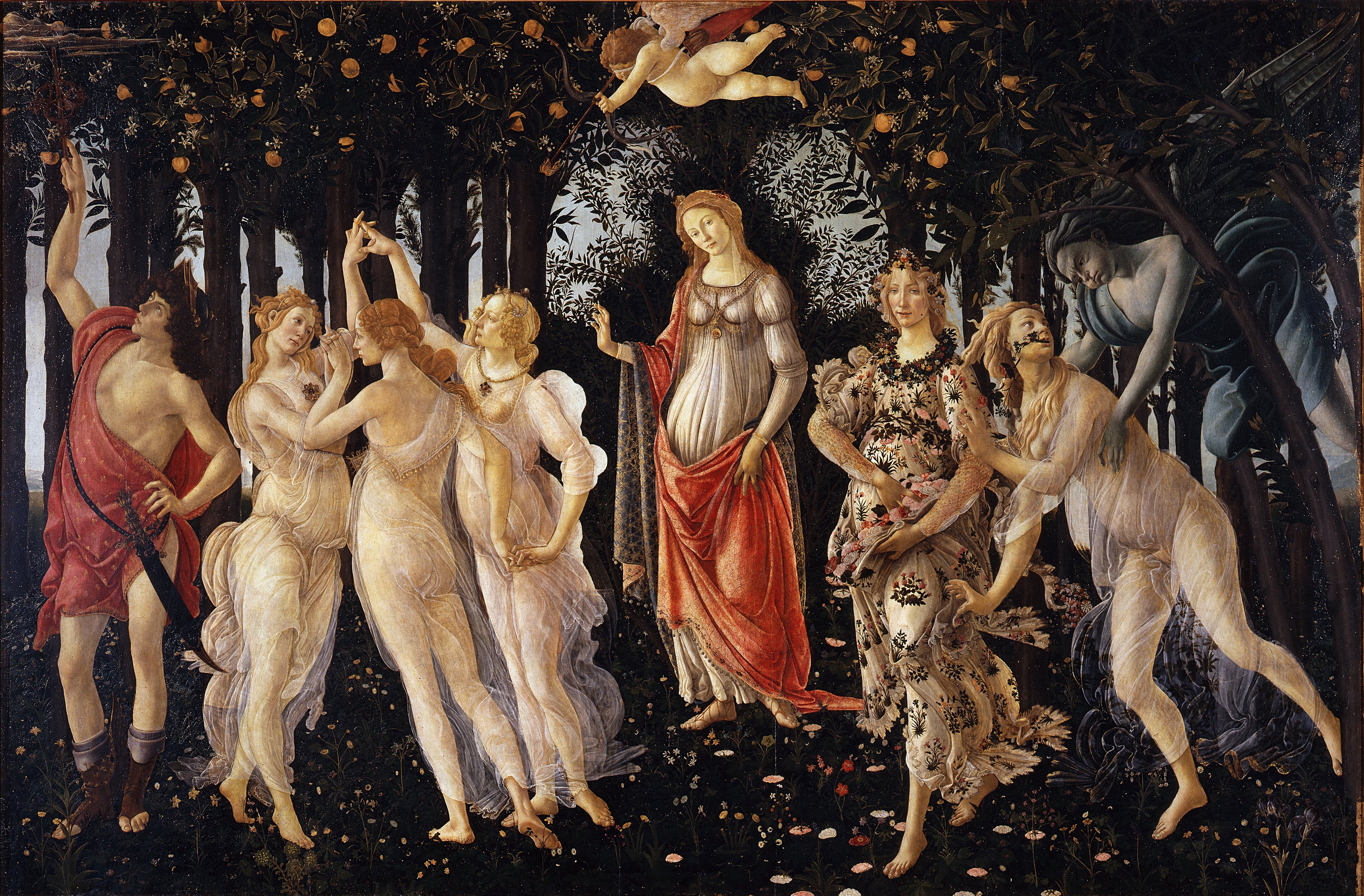
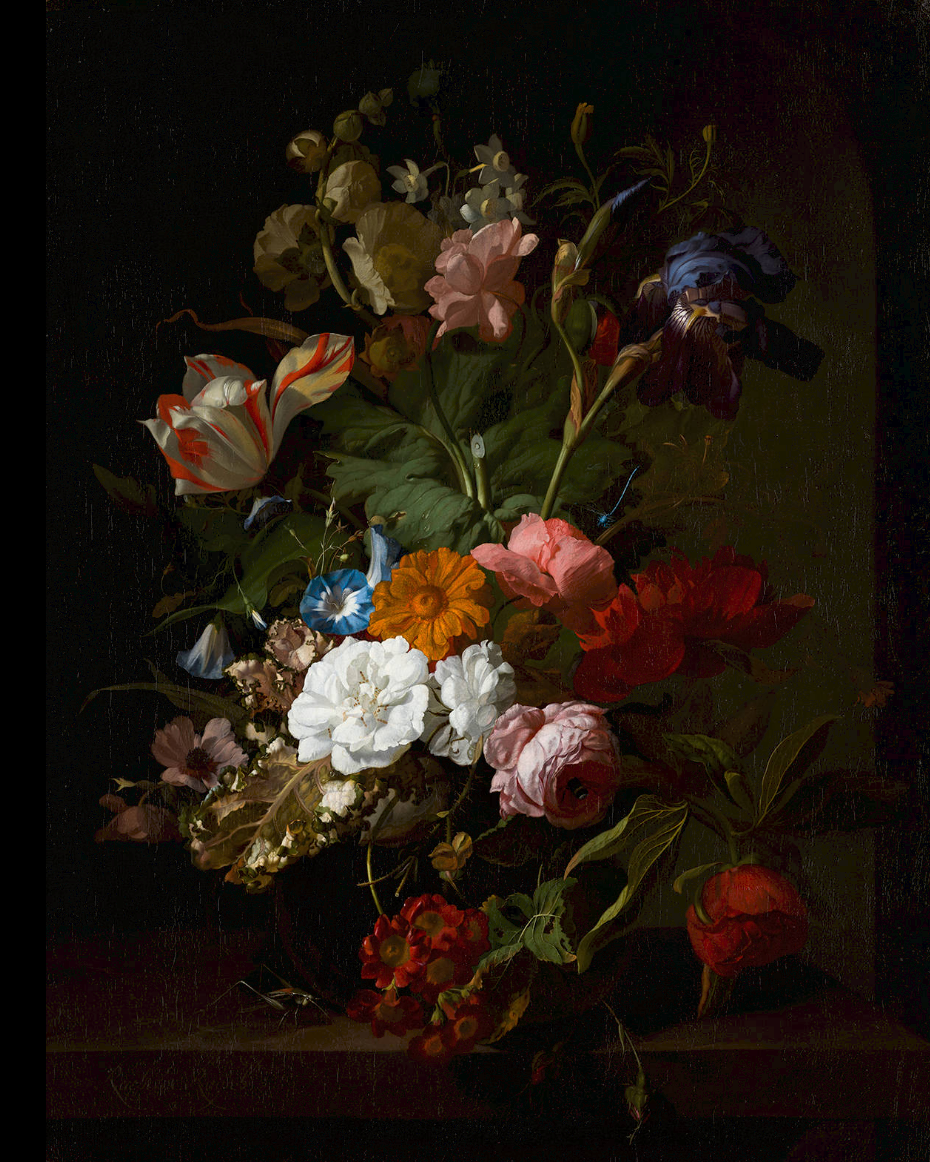
RACHEL RUYSCH
Prominent artist of the 17th century
Rachel Ruysch was a pioneer, both in her creation and in her success. She mastered the art of painting floral still lifes with incredible detail and realism, combining scientific rigor with artistic beauty. At a time when women were limited in what subjects they could paint, still life was a genre that was considered appropriate and could be done in the quiet corners of the home. Her success broke a male-dominated barrier and paved the way for women in art.
'Flowers are so integral to our culture that it's hard to imagine a world without them.'
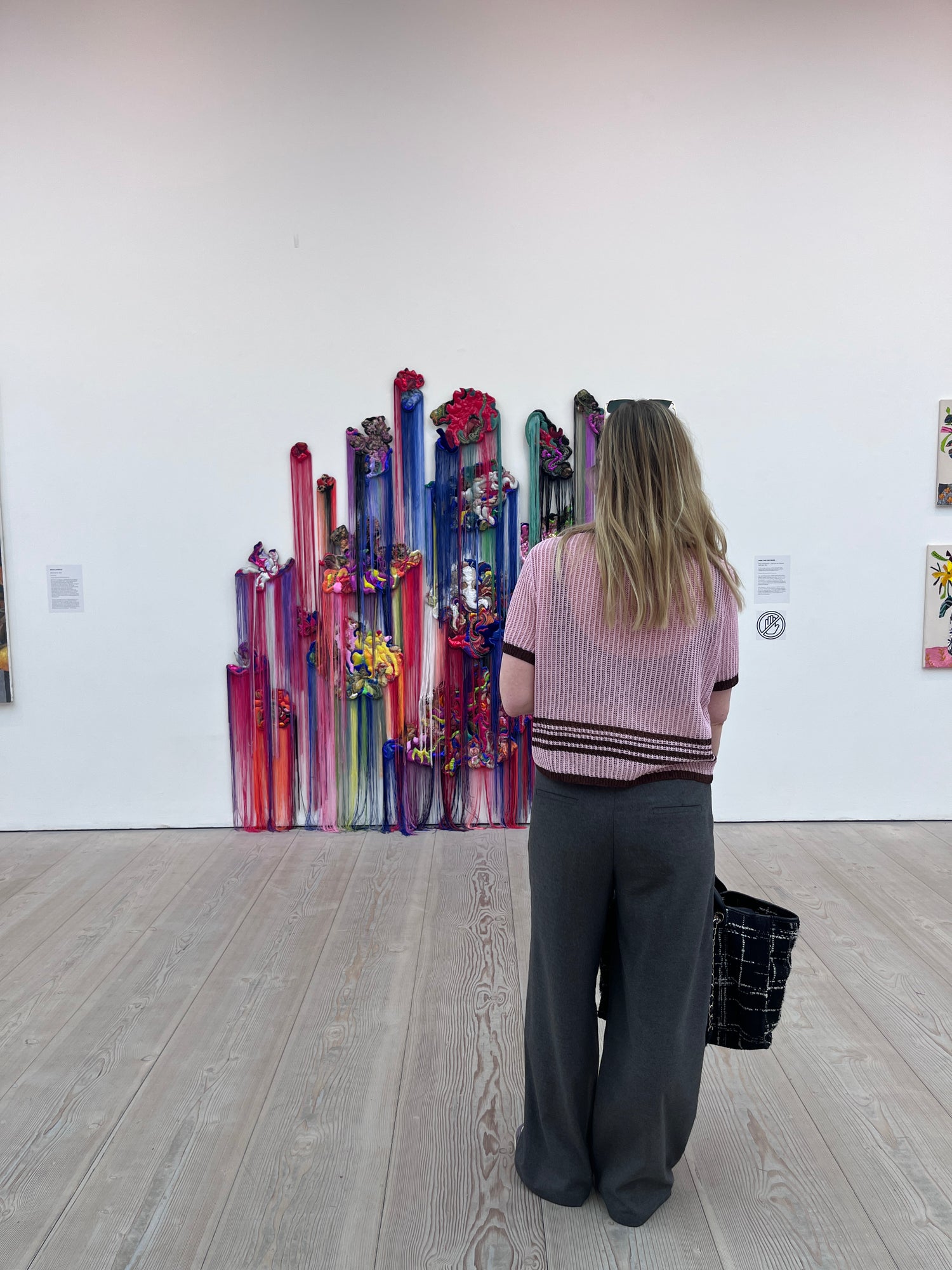
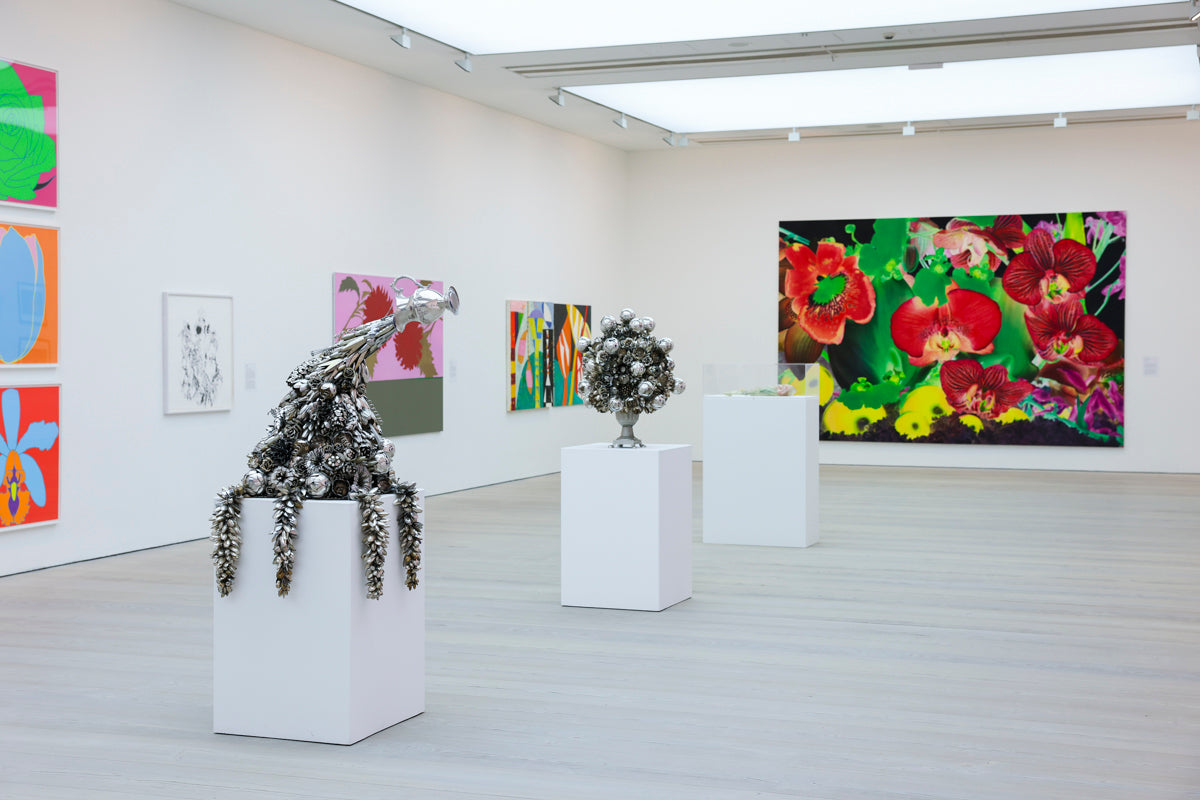
SAATCHI GALLERY
Flowers - Flora in contemporary art & culture
We took the opportunity to visit the exhibition that focused on the theme of the importance of flora in contemporary art. The exhibition included works by Alex Katz, Ally McIntyre, Rebecca Louise Law, Tony Matelli, among others.
It was exciting to see how a theme could have so many different expressions, but at the same time what impact the subject has on the viewer. From hyperrealism to abstract interpretations, there was a common thread of timelessness in all the motifs.
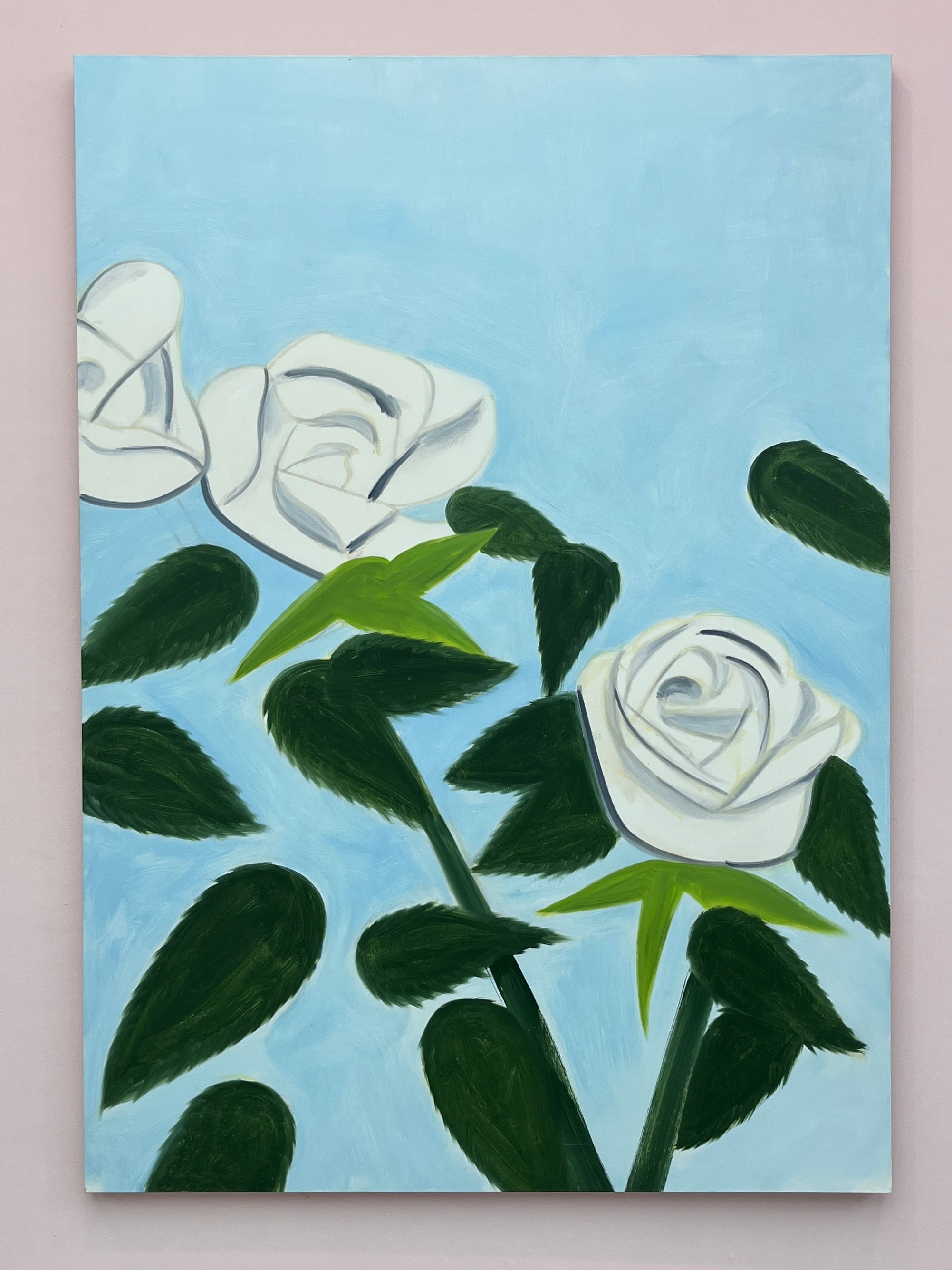
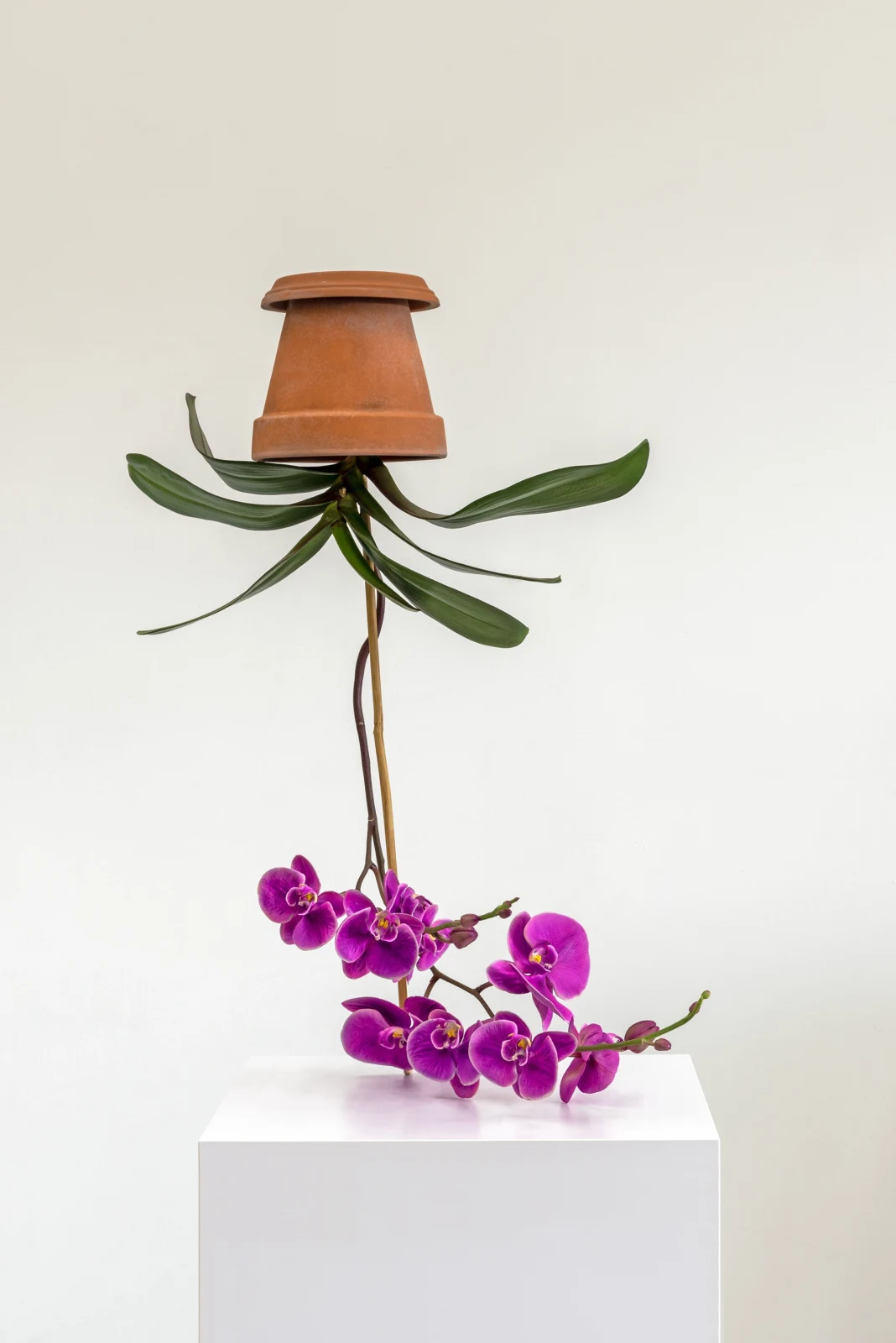
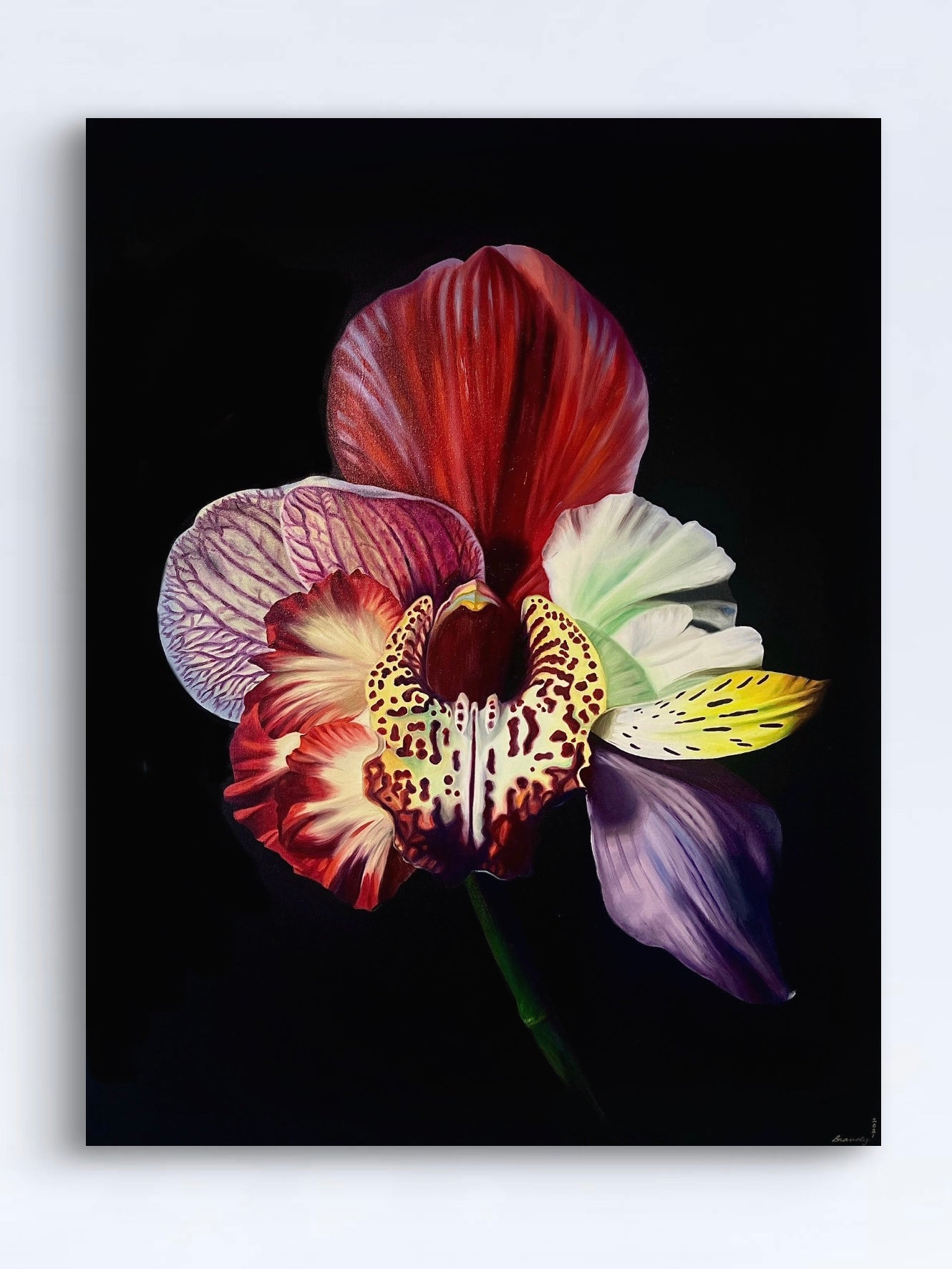
BRANDY KRAFT
Creator of new species
"Mankind is destroying the planet. This destruction has made me fascinated with preserving nature. I started with painting flowers- thousands of flowers in all states of life and decay. I wanted to preserve their beauty and prevent their extinction. Then suddenly in my dreams and in my subconscious I started having visions of new flowers. Non-existent flowers. I started painting these strange new hybrids and realized I was creating not only new species of flora but I was building a new world of my own. Equally inspired by the nature of Sweden and one of its most famous scientists. Now I follow in the footsteps of Carl von Linné by officially documenting each new hybrid flower species and this is just the beginning..."
In the gallery's selection
-

'Reicher Herbst'
Jutta Votteler -

'Still l'
Marcus Eek -

'Growth'
Brandy Kraft


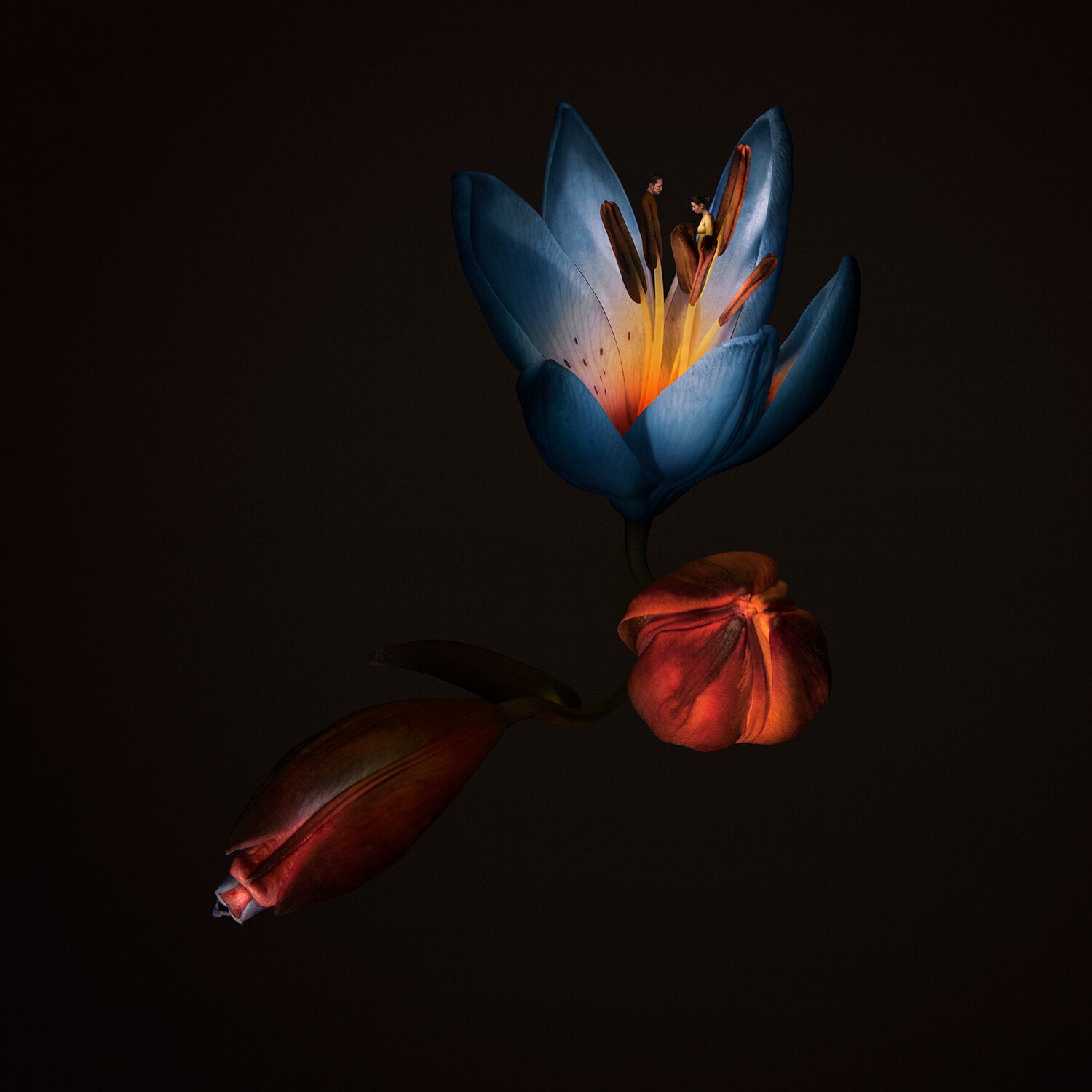
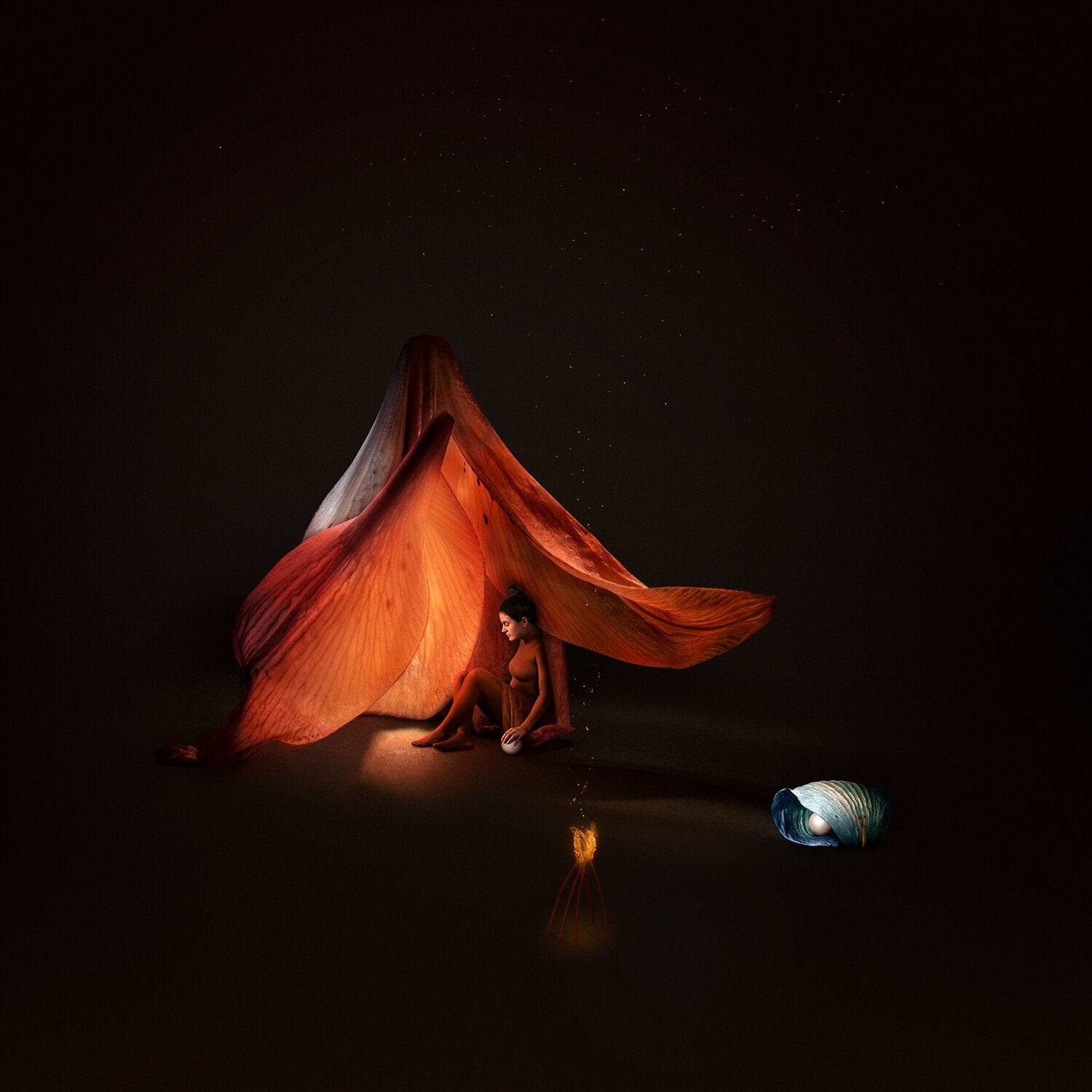
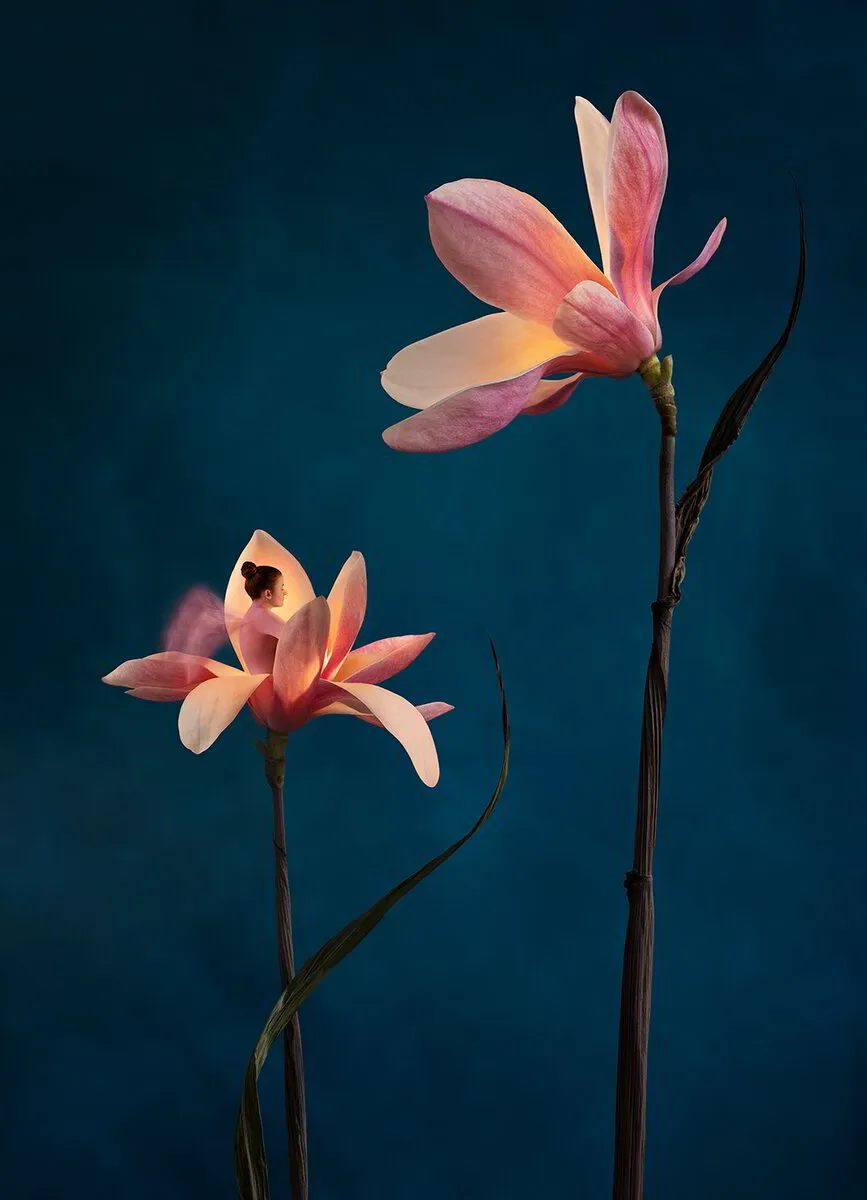
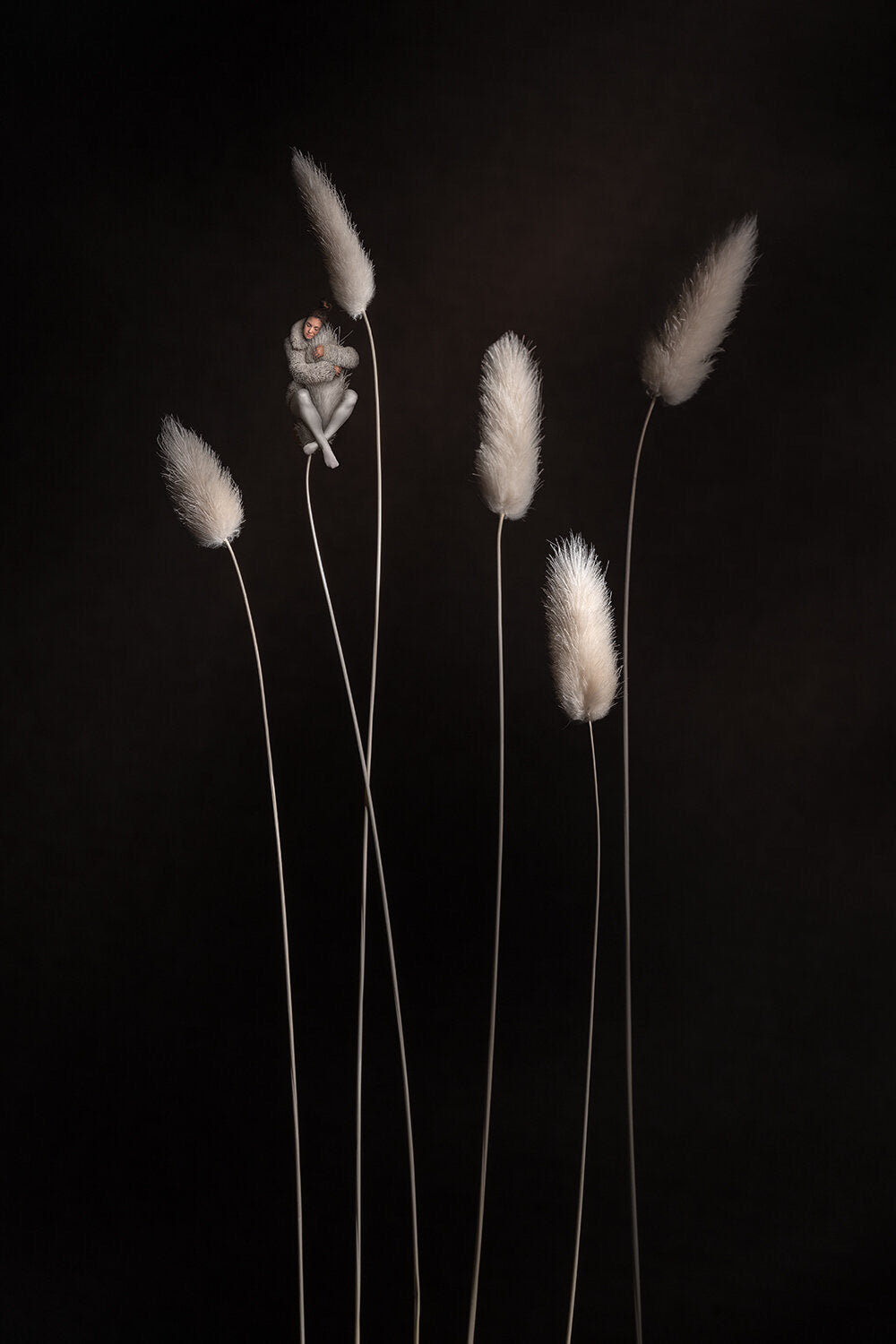
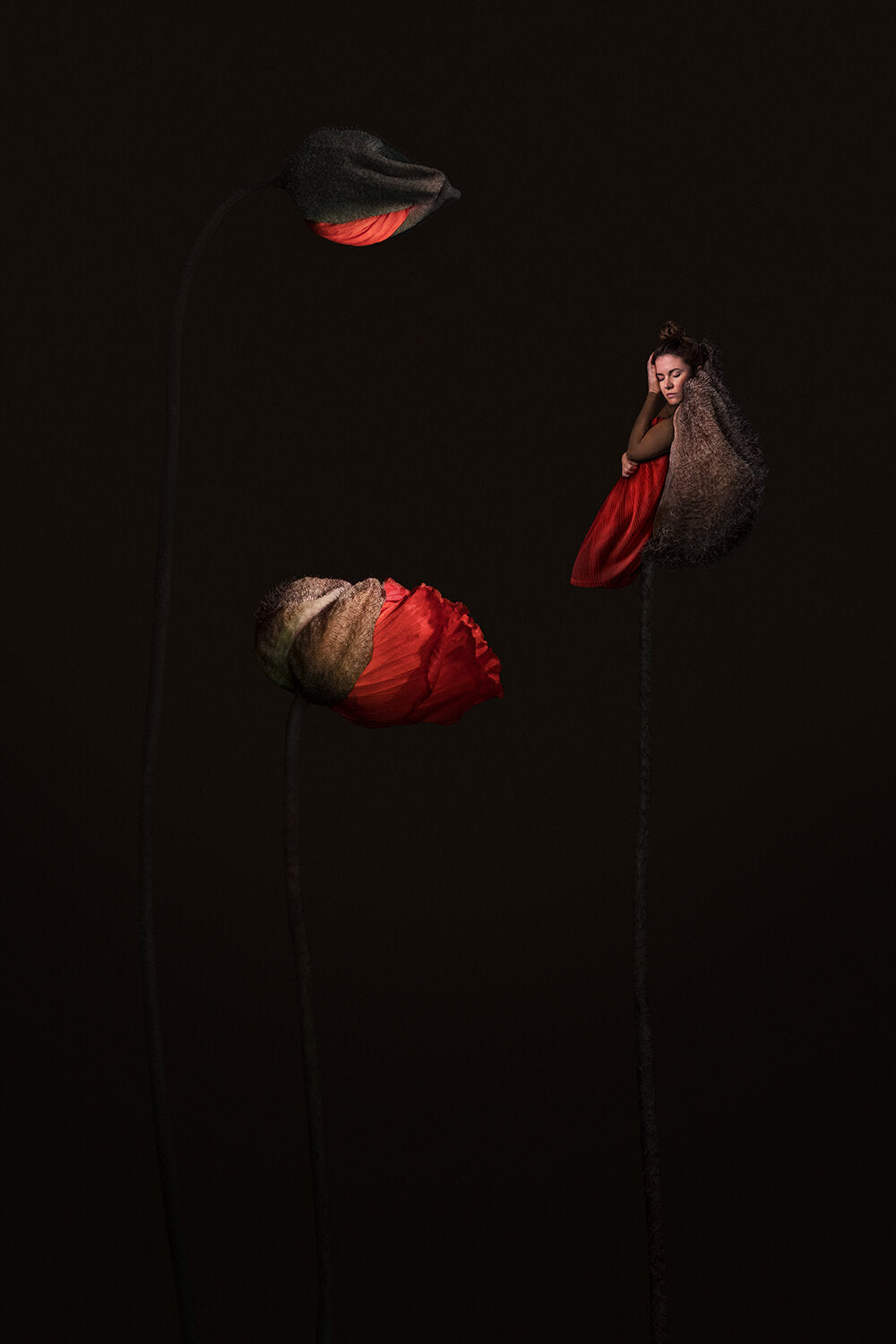
SONJA HESSLOW
Creating a sanctuary
"I love looking at flowers and trying to imagine how I could use them for a new image. Nature is fascinating and I like to photograph flowers up close so I can really bring out the textures. I often think about how wonderful it would be to be able to disappear into a completely different world and just become one with nature. It's my sanctuary that I create." - Sonja Hesslow